Methodology
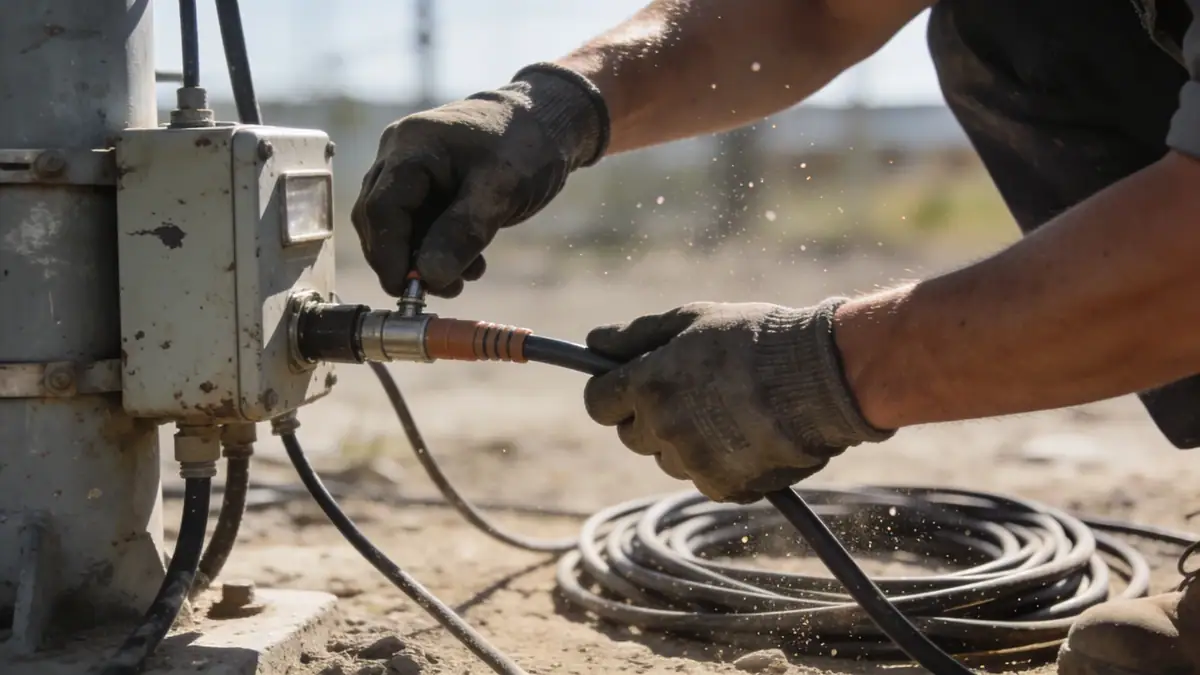
Our methodology for geotechnical engineering in Dallas begins with a comprehensive review of existing geological mapping and soil survey data. We then execute a phased subsurface exploration program, including spt boring to obtain disturbed and undisturbed soil samples at regular intervals. In the laboratory, we conduct index tests (Atterberg limits, natural moisture content) and strength tests (unconfined compression, direct shear) following ASTM D1586 and ASTM D2487. For expansive soils, we perform swell-consolidation tests to estimate heave potential. Our analysis integrates these data with local building codes and ASCE 7 seismic provisions to develop foundation recommendations, including allowable bearing capacity and shrinkage-swelling mitigation strategies.
Reference Technical Parameters
| Parameter | Reference Value |
|---|---|
| Predominant soil type | High-plasticity clay (CH) and lean clay (CL) |
| Maximum seismic acceleration (PGA) | 0.06g (ASCE 7 Seismic Zone 1) |
| Typical groundwater level | 15-30 ft below ground surface |
| Bedrock depth | Variable, typically 20-50 ft (Austin Chalk) |
| Typical N60 range | 5-15 blows/ft in clay; 20-50 in weathered shale |
Local Considerations — Dallas
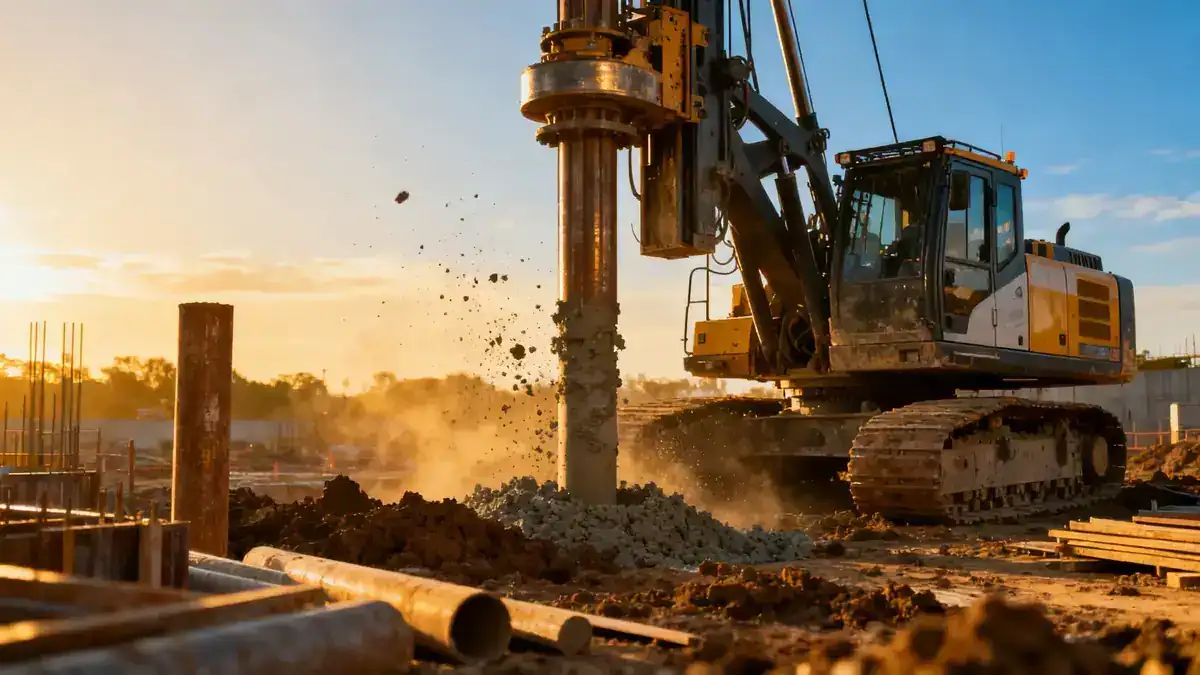
Dallas's geology is dominated by the Eagle Ford Shale and Austin Chalk formations, resulting in high-plasticity clays that are prone to significant volume changes with moisture variation. The region experiences a semi-arid climate with prolonged droughts and intense rainfall, exacerbating soil movement. Seismic hazard is low, but design must still comply with ASCE 7-16 for Site Class D. Foundation design often requires deep piers extending below the active zone (typically 8-12 ft) or post-tensioned slabs on grade with moisture barriers. Our team regularly provides geotechnical engineering support in Dallas for residential subdivisions, commercial buildings, and transportation projects, including slope stability analyses for the Trinity River corridor. For broader regional expertise, we coordinate with our geotechnical engineering en Houston office on Gulf Coast clay challenges.
Request a Quote
Our team reviews your project and issues an initial report at no cost.
Or write us directly at [email protected]
Services in Dallas
Applicable Standards
- ASTM D1586 (Standard Penetration Test)
- ASTM D2487 (Classification of Soils for Engineering Purposes)
- ASCE 7-16 (Minimum Design Loads for Buildings and Other Structures)
- International Building Code (IBC) 2021
- City of Dallas Building Code (Chapter 18 – Soils and Foundations)
Frequently Asked Questions
What are the predominant soil types in Dallas, and how do they affect foundation design?
Dallas soils are primarily high-plasticity clays (CH) and lean clays (CL) derived from the Eagle Ford Formation. These expansive clays undergo significant volume changes with moisture variation, causing heave and settlement. Foundation design must account for shrink-swell potential, often requiring deep foundations or post-tensioned slabs with moisture control measures.
Is seismic design required for geotechnical engineering projects in Dallas?
Yes, although Dallas is in Seismic Zone 1 (low hazard) per ASCE 7, with a PGA of 0.06g. The IBC mandates site-specific seismic analysis for certain structures, including Site Class D soil profiles. Our team evaluates liquefaction potential and seismic settlement, ensuring compliance with local building codes.
Are geotechnical studies mandatory for construction in Dallas?
The City of Dallas Building Code (Chapter 18) requires a geotechnical investigation for most new structures, especially those with expansive soils. The study must characterize soil properties, provide foundation recommendations, and address swelling potential. Exceptions exist for minor additions or structures on competent bedrock.