Methodology
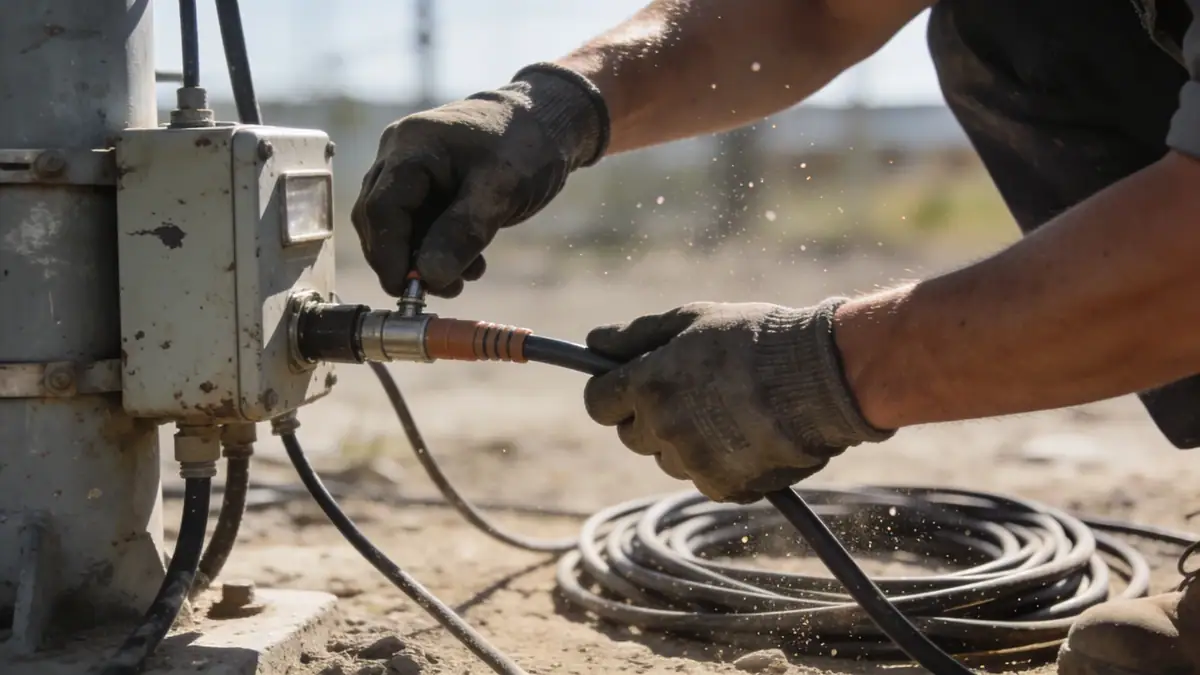
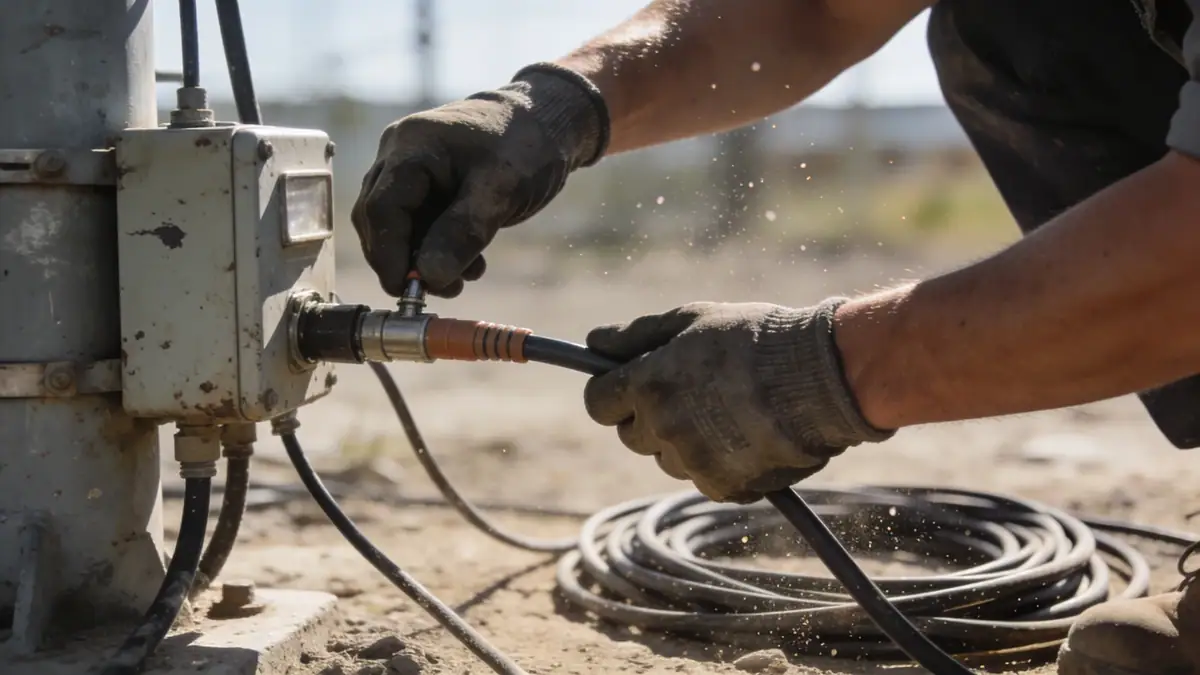
Our geotechnical engineering methodology in Corpus Christi begins with a thorough review of existing geological maps and regional studies. We then conduct field investigations using spt boring in accordance with ASTM D1586, with typical depths ranging from 8 to 15 meters for residential structures and up to 30 meters for industrial facilities. Soil samples are retrieved at intervals of 1.0 to 1.5 meters for laboratory testing, including grain size distribution (ASTM D6913), Atterberg limits, and consolidation tests. Groundwater monitoring wells are installed to assess seasonal fluctuations. Data analysis employs site-specific seismic parameters per ASCE 7 to evaluate liquefaction potential and settlement, resulting in foundation recommendations tailored to Corpus Christi's unique subsurface profile.
Reference Technical Parameters
| Parameter | Reference Value |
|---|---|
| Predominant soil type | Clay and silty sand (alluvial deposits) |
| Maximum seismic acceleration (PGA) | 0.15g (ASCE 7) |
| Typical groundwater level | 2–5 m below ground surface |
| Bedrock depth | >30 m (deep sedimentary basin) |
| Typical N60 range | 5–25 blows/ft (soft to medium stiff clay) |
Local Considerations — Corpus Christi
Corpus Christi's geology is dominated by Quaternary alluvial and coastal plain deposits, with soft to stiff clays and loose sands near the surface. The region experiences a moderate seismic hazard, with a peak ground acceleration of 0.15g per ASCE 7, requiring careful liquefaction assessment in saturated sandy layers. Groundwater is typically shallow (2–5 m), posing challenges for excavation and foundation drainage. Older neighborhoods on the bluff have firmer soils, while newer developments near Oso Bay may encounter highly plastic clays prone to shrink-swell. Typical projects include residential slab-on-grade and commercial parking structures; our soil mechanics laboratory provides essential data on expansion potential and consolidation. For broader regional context, our geotechnical engineering in Houston team supports cross-market coordination.
Request a Quote
Our team reviews your project and issues an initial report at no cost.
Or write us directly at [email protected]
Services in Corpus Christi
Applicable Standards
- ASTM D1586
- ASCE 7
- ASTM D6913
- ASTM D4318
- International Building Code (IBC)
Frequently Asked Questions
What are the typical soil conditions in Corpus Christi?
Corpus Christi soils are predominantly alluvial clays and silty sands, often soft to medium stiff near the surface. Groundwater is shallow, typically 2–5 meters deep. These conditions require careful evaluation of settlement, liquefaction, and shrink-swell potential for foundation design.
Does Corpus Christi have specific seismic design requirements?
Yes, according to ASCE 7, Corpus Christi is in a moderate seismic zone with a peak ground acceleration of 0.15g. Geotechnical reports must address liquefaction potential and site classification to comply with the International Building Code.
Are geotechnical studies mandatory for construction in Corpus Christi?
While not always legally required for all projects, most commercial and multi-family developments mandate a geotechnical investigation per local building codes. For residential projects, lenders and engineers often recommend studies to mitigate foundation risks due to expansive clays.