Methodology
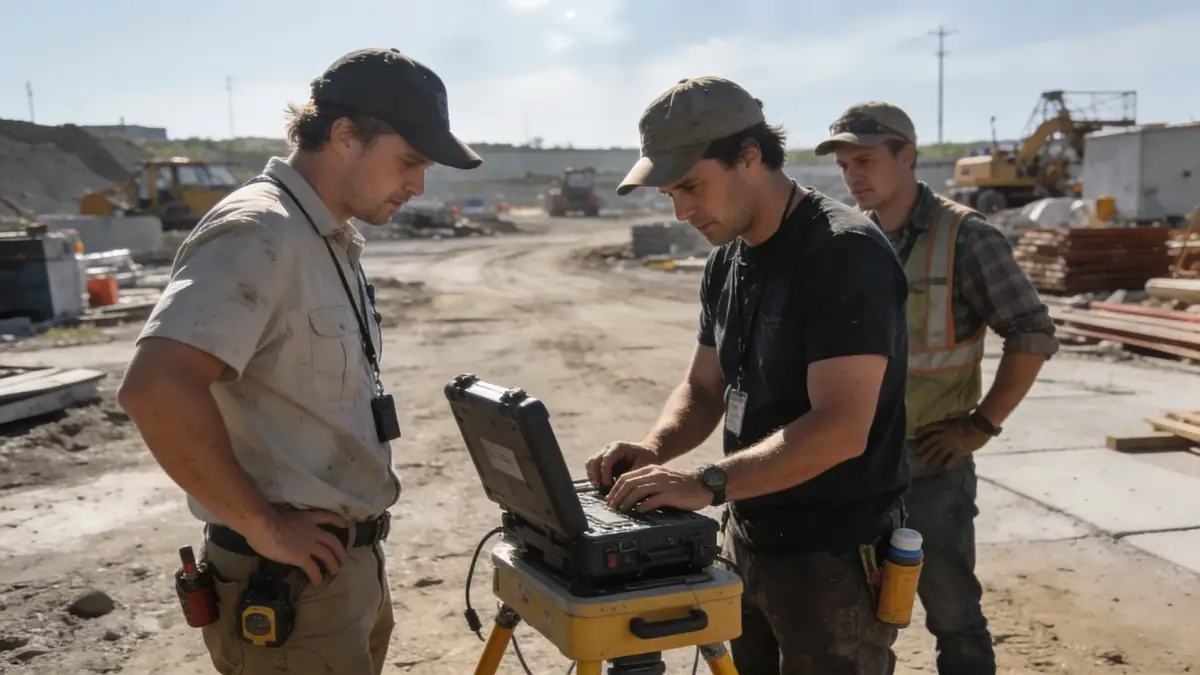
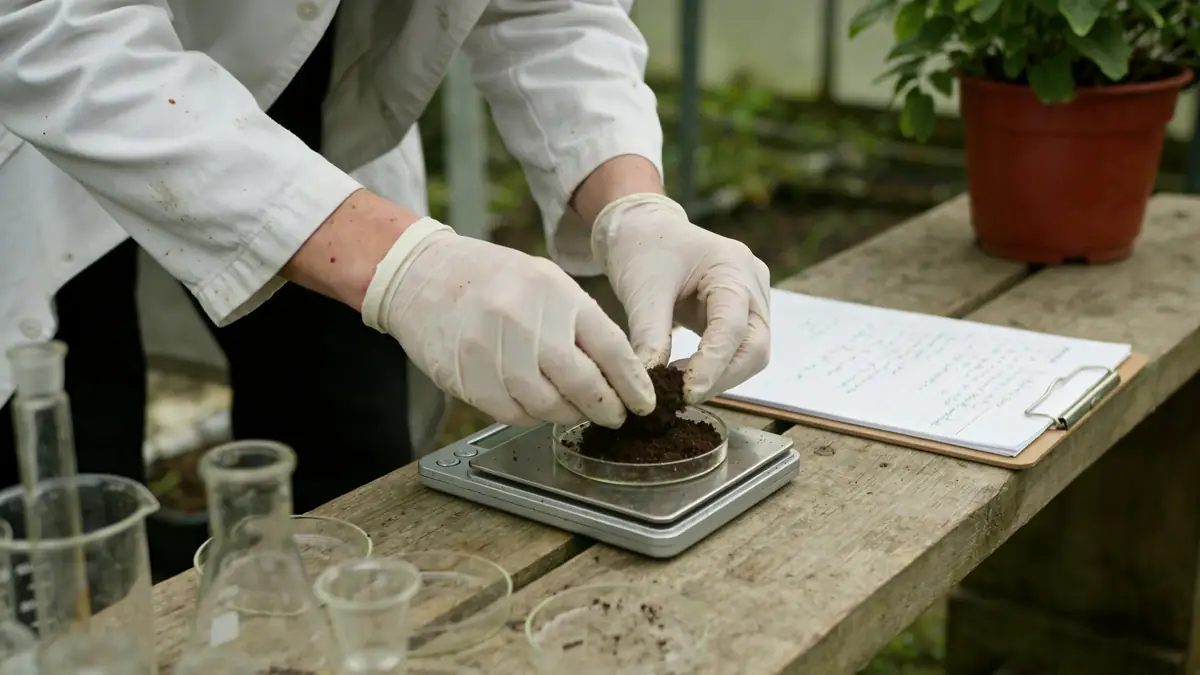
Our geotechnical engineering methodology for Concord projects follows a systematic approach. We begin with a thorough review of existing geological maps and published data to develop a subsurface model. Field investigations include spt boring performed in accordance with ASTM D1586 to obtain soil samples and measure N60 values. We also conduct cone penetration testing (CPT) for continuous stratigraphic profiling. Laboratory testing on recovered samples includes grain size distribution, Atterberg limits, and direct shear tests to determine engineering properties. Using these data, we perform seismic site response analyses per ASCE 7 to establish design ground motions and evaluate liquefaction potential. Our recommendations are calibrated to local conditions and building code requirements.
Reference Technical Parameters
| Parameter | Reference Value |
|---|---|
| Predominant soil type | Silty sand and clay with gravel |
| Maximum seismic acceleration (PGA) | 0.4–0.6g (ASCE 7 Seismic Design Category D) |
| Typical groundwater level | 3–10 m below ground surface |
| Bedrock depth | 15–30 m (Great Valley Sequence) |
| Typical N60 range (SPT) | 10–30 blows/ft (alluvium), >50 (older deposits) |
Local Considerations — Concord California
Concord's subsurface is dominated by Quaternary alluvium from Mt. Diablo Creek and older Pleistocene terrace deposits. These soils exhibit moderate to high plasticity and are prone to cyclic softening during seismic events. Groundwater levels fluctuate seasonally, with shallow depths near creeks. The city lies within Zone 4 of the California Seismic Hazard Map, requiring site-specific response analysis for most structures. Our team has extensive experience with the local geology, including the transition from alluvial fans to bedrock along the northern foothills. For regional context, our geotechnical engineering services from Los Angeles inform our approach to similar sedimentary basins. Additionally, our soil mechanics laboratory provides essential index and strength testing for Concord soils.
Request a Quote
Our team reviews your project and issues an initial report at no cost.
Or write us directly at [email protected]
Services in Concord California
Applicable Standards
- California Building Code (CBC) 2022
- ASCE 7-16 Minimum Design Loads for Buildings and Other Structures
- ASTM D1586 Standard Test Method for Standard Penetration Test (SPT)
- ASTM D2487 Standard Practice for Classification of Soils for Engineering Purposes
- California Geological Survey Seismic Hazard Zonation Program
Frequently Asked Questions
What soil types are commonly encountered in Concord, California?
Concord is underlain by Quaternary alluvium, including silty sands, clays, and gravels, overlying older Pleistocene terrace deposits and the Great Valley Sequence bedrock. These soils vary in density and plasticity, requiring detailed site-specific investigation for foundation design.
How does seismic risk affect geotechnical engineering in Concord?
Concord lies in a seismically active region with high PGA values (0.4–0.6g). The California Building Code mandates site-specific seismic hazard analysis, including liquefaction and landslide assessments, for most structures. Our studies incorporate these requirements to ensure code compliance and safety.
Are geotechnical studies mandatory for construction in Concord?
Yes, the California Building Code requires a geotechnical investigation for new structures and major renovations in Seismic Design Categories D and above. Local jurisdictions often enforce this through building permit requirements. Our firm provides the necessary documentation to satisfy these regulations.