Methodology
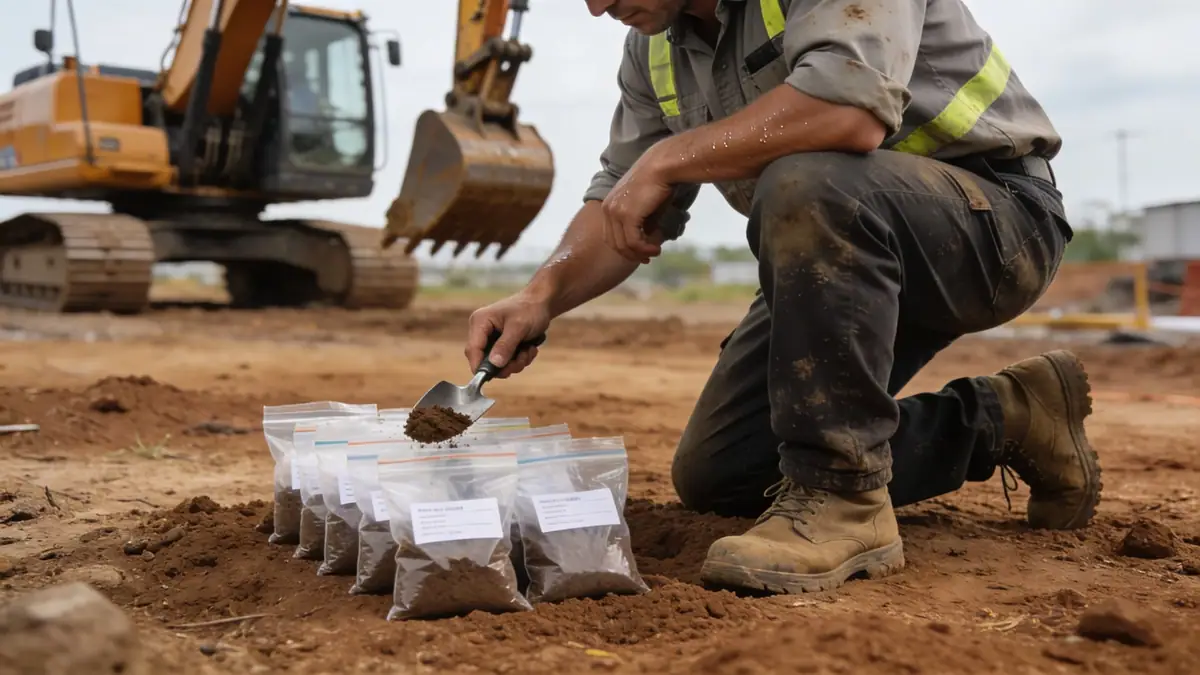
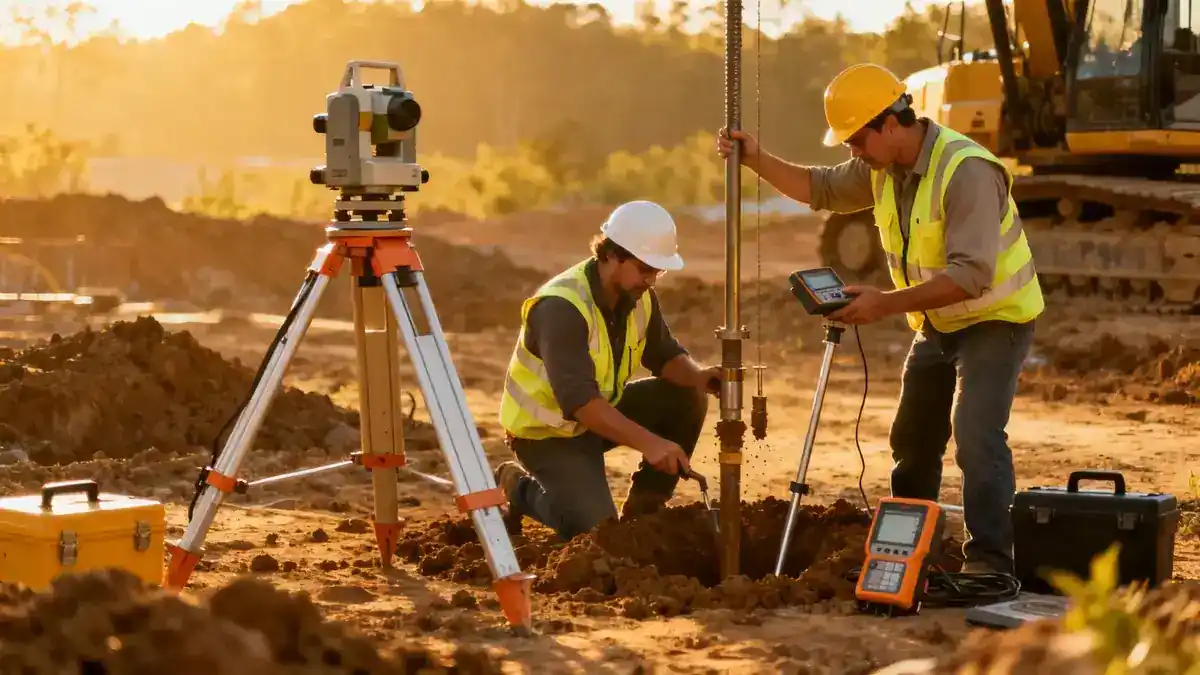
Our methodology for geotechnical engineering in Cleveland begins with a thorough review of existing geologic maps and prior project records. We then conduct a field exploration program, typically including spt boring at regular intervals to characterize soil strata and obtain samples for laboratory testing. Our approach follows ASTM D1586 for standard penetration tests, ensuring consistent and reliable data. Laboratory analyses, including grain size distribution, Atterberg limits, and triaxial shear tests, are performed to determine engineering properties. We integrate these results with local knowledge to develop foundation recommendations and construction guidelines tailored to Cleveland's subsurface conditions.
Reference Technical Parameters
| Parameter | Reference Value |
|---|---|
| Predominant soil type | Glacial till (silty clay with sand and gravel) |
| Maximum seismic acceleration (PGA) | 0.14g (ASCE 7-22, Site Class D) |
| Typical groundwater level | 3–8 m below ground surface |
| Bedrock depth | 10–40 m (shale and sandstone) |
| Typical N60 range | 10–40 blows/300 mm |
Local Considerations — Cleveland
Cleveland's geology is dominated by glacial till overlying Devonian shale and sandstone. The Lake Erie shoreline introduces lacustrine clay deposits with high plasticity and low bearing capacity. In downtown areas, fill soils from historical industrial activity require careful assessment for contamination and settlement. The city falls in ASCE 7 seismic design category B, with a mapped PGA of 0.14g. Our team has extensive experience navigating these conditions, including projects along the Cuyahoga Valley where slope stability is critical. For regional comparisons, our geotechnical engineering en Chicago team addresses similar glacial deposits but with different bedrock depths and seismic parameters.
Request a Quote
Our team reviews your project and issues an initial report at no cost.
Or write us directly at [email protected]
Services in Cleveland
Applicable Standards
- ASTM D1586
- ASCE 7-22
- ASTM D2487
- ASTM D422
- ASTM D3080
Frequently Asked Questions
What are the typical soil conditions in Cleveland?
Cleveland soils are predominantly glacial till, consisting of silty clay with sand and gravel. In lakefront areas, soft lacustrine clays are common. Bedrock is generally shale and sandstone at depths of 10–40 m. These conditions require careful evaluation for foundation design and excavation.
Is seismic design required for projects in Cleveland?
Yes, while Cleveland is in a low seismic zone (ASCE 7 Site Class D, PGA 0.14g), the building code requires seismic design for most structures. Our geotechnical reports provide site-specific seismic parameters, including spectral acceleration values and liquefaction potential assessment, ensuring compliance with local codes.
Are geotechnical studies mandatory for construction in Cleveland?
The City of Cleveland does not have a universal ordinance, but the Ohio Building Code and most local jurisdictions require a geotechnical report for new structures, additions, or significant renovations. Lenders and insurers often mandate such studies to mitigate risk. Our firm provides thorough investigations that satisfy these requirements.