Methodology
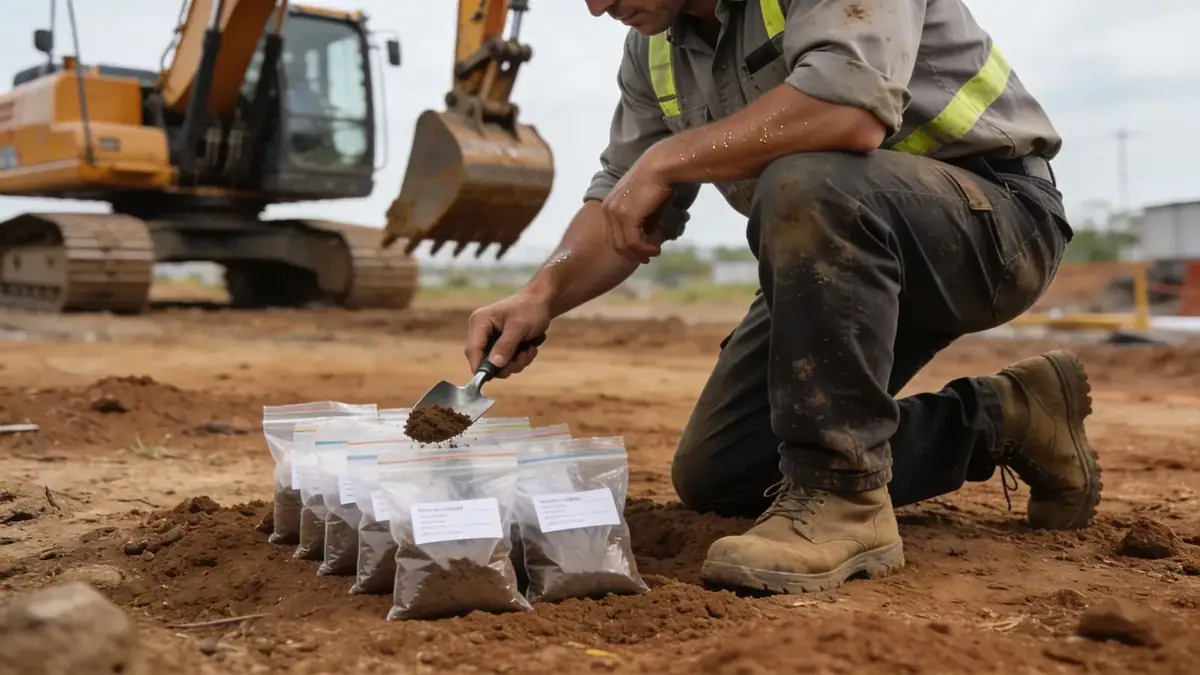
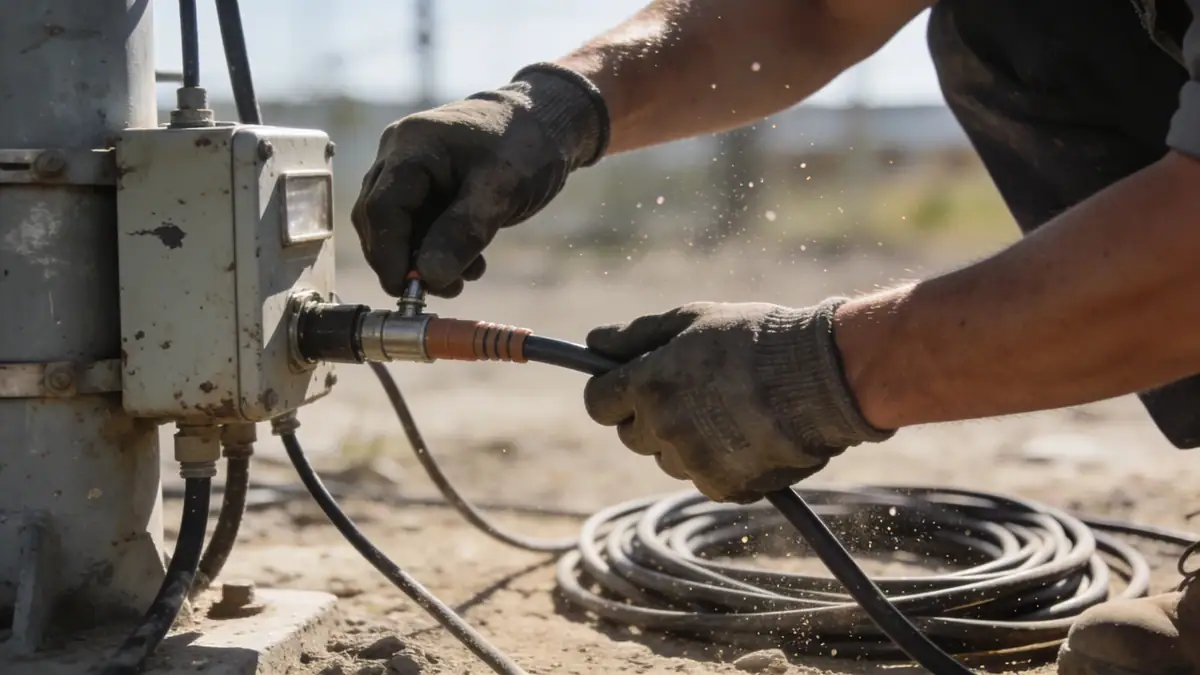
Our methodology for geotechnical engineering in Cincinnati integrates field and laboratory testing tailored to the region’s complex geology. We begin with a thorough review of available geologic maps and prior site data. Field exploration typically includes spt boring and cone penetration tests to characterize subsurface stratigraphy and groundwater conditions. In our soil mechanics laboratory, we perform index tests, strength tests, and consolidation tests to determine engineering parameters. All work adheres to ASTM standards, including ASTM D1586 for standard penetration tests. Our team evaluates site-specific seismic hazards per ASCE 7, considering Cincinnati’s moderate seismic risk. The result is a comprehensive geotechnical report that guides foundation design, earthwork, and pavement construction.
Reference Technical Parameters
| Parameter | Reference Value |
|---|---|
| Predominant soil type | Glacial till (silty clay with sand and gravel) and alluvial deposits |
| Maximum seismic acceleration (PGA) | 0.15g to 0.20g (ASCE 7-22, Site Class C/D) |
| Typical groundwater level | 3 to 6 meters below grade in river valleys; variable in upland areas |
| Bedrock depth | 0 to 10 meters in Clifton and hillsides; 20 to 30 meters in downtown |
| Typical N60 range | 10 to 30 blows/0.3m (glacial till); 5 to 15 blows/0.3m (loose alluvium) |
Local Considerations — Cincinnati
Cincinnati’s geology is shaped by glacial deposits and the Ohio River. The city sits on Ordovician bedrock (shale and limestone) overlain by glacial till and alluvium. In downtown and the Mill Creek Valley, thick alluvial deposits create soft ground conditions, requiring deep foundations or ground improvement. Hillside areas like Mount Adams and Price Hill have shallow bedrock, posing slope stability risks. Seismic hazard is moderate, with PGA up to 0.20g per ASCE 7. Groundwater levels vary, with shallow water in river valleys. Our firm’s experience in geotechnical engineering in Cincinnati includes designing retaining walls and evaluating slope stability. For broader regional context, refer to geotechnical engineering in Chicago.
Request a Quote
Our team reviews your project and issues an initial report at no cost.
Or write us directly at [email protected]
Services in Cincinnati
Applicable Standards
- ASTM D1586 (Standard Penetration Test)
- ASCE 7-22 (Minimum Design Loads, including seismic)
- IBC 2021 (International Building Code)
- City of Cincinnati Building Code (Chapter 18 Soils and Foundations)
- ASTM D6913 (Particle Size Analysis)
Frequently Asked Questions
What are the typical soil conditions in Cincinnati for foundation design?
Cincinnati’s soils are predominantly glacial till (silty clay with sand and gravel) and alluvial deposits near the Ohio River. Upland areas often have stiff till over shallow bedrock, while river valleys contain soft, compressible soils. Foundation design must account for variable bearing capacity and potential differential settlement.
Is seismic design required for geotechnical engineering in Cincinnati?
Yes, per ASCE 7 and the IBC, Cincinnati is in a moderate seismic zone with peak ground accelerations typically between 0.15g and 0.20g. Site-specific seismic analysis may be required for critical structures. Our firm evaluates liquefaction potential and seismic settlement for projects in soft soil areas.
Are geotechnical investigations mandatory for construction in Cincinnati?
The City of Cincinnati Building Code requires subsurface investigations for most new structures, especially those with deep foundations or in areas with known soil issues. A geotechnical report is typically needed to obtain permits. Our team ensures compliance with local regulations and industry standards.