Methodology
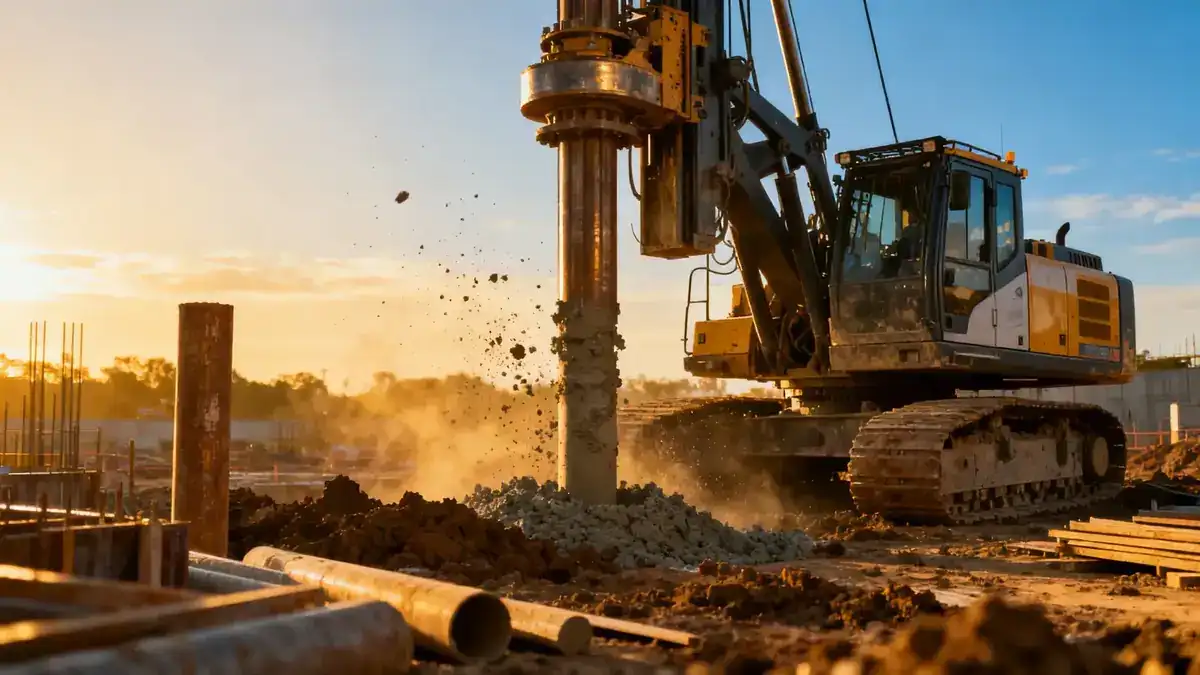
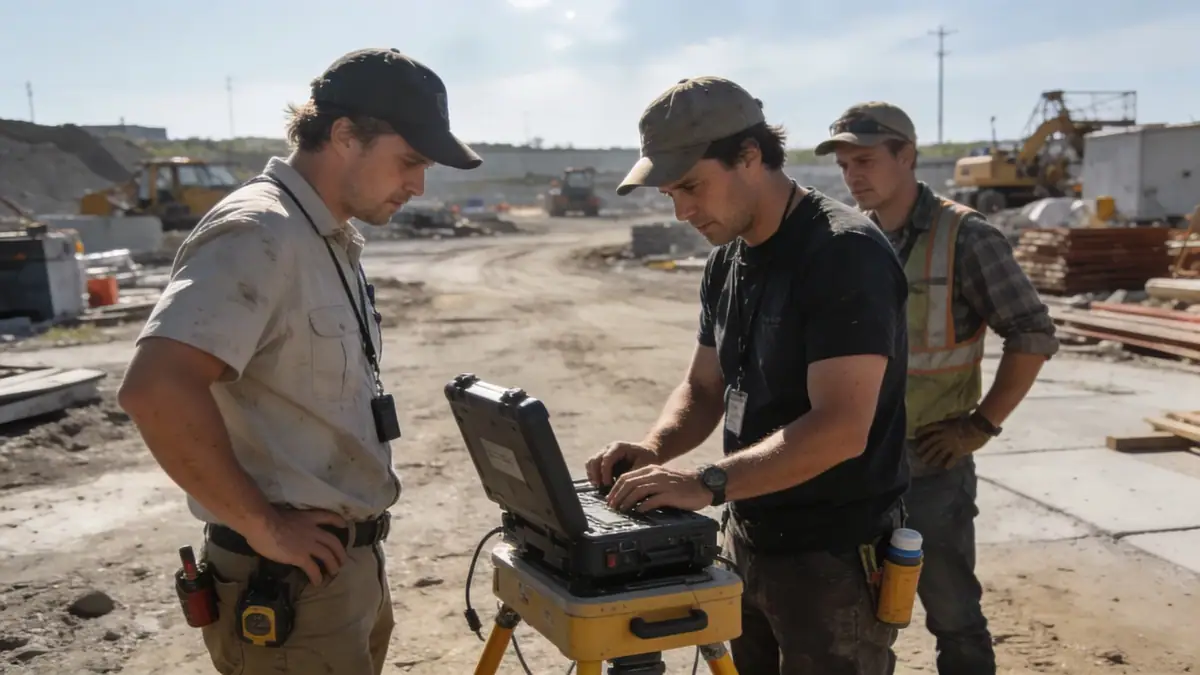
Our approach to geotechnical engineering in Chattanooga integrates field exploration, laboratory testing, and analytical modeling. We perform standard penetration tests (SPT) in accordance with ASTM D1586 to characterize subsurface stratigraphy and obtain soil strength parameters. Our field program typically includes borings advanced to depths of 8 to 15 meters for residential projects and up to 30 meters for industrial structures, with sampling intervals of 1.0 to 1.5 meters. We also conduct spt boring operations to evaluate bearing capacity and liquefaction potential. Laboratory testing follows ASTM standards to determine index properties, shear strength, and consolidation characteristics, providing a complete geotechnical profile for design.
Reference Technical Parameters
| Parameter | Reference Value |
|---|---|
| Predominant soil type | Residual silty sands and clayey gravels (SM, SC, GC) |
| Maximum seismic acceleration (PGA) | 0.15g to 0.25g (ASCE 7-16, Site Class C/D) |
| Typical groundwater level | 3 to 8 meters below ground surface |
| Bedrock depth | 10 to 30 meters (sandstone, shale, limestone) |
| Typical N60 range | 8 to 30 blows/0.3m (cohesive soils); 15 to 50 blows/0.3m (granular soils) |
Local Considerations — Chattanooga
Chattanooga's geology is dominated by sedimentary bedrock of the Cumberland Plateau, with residual soils derived from weathering of sandstone and shale. The Tennessee River Valley influences groundwater levels, which can be shallow in low-lying areas. Seismic hazard is moderate, with peak ground accelerations of 0.15g to 0.25g per ASCE 7-16. Expansive clays are present in some neighborhoods, requiring careful evaluation for slab-on-grade foundations. Our team has experience with challenging sites in downtown Chattanooga and the surrounding ridges, providing customized solutions. For regional expertise, we also offer geotechnical engineering en Atlanta services, leveraging our understanding of the broader Appalachian geology.
Request a Quote
Our team reviews your project and issues an initial report at no cost.
Or write us directly at [email protected]
Services in Chattanooga
Applicable Standards
- ASTM D1586 (Standard Penetration Test)
- ASCE 7-16 (Minimum Design Loads and Associated Criteria for Buildings and Other Structures)
- IBC 2021 (International Building Code)
- Chattanooga Building Code (local amendments)
Frequently Asked Questions
What types of soil are commonly found in Chattanooga?
Chattanooga soils are primarily residual, derived from weathering of sedimentary rocks. Typical profiles include silty sands (SM), clayey sands (SC), and gravelly clays (GC). Deep deposits of clay and silt occur along the Tennessee River floodplain. These soils often exhibit variable bearing capacity and require careful site-specific evaluation.
Are geotechnical studies mandatory for construction in Chattanooga?
Yes, the City of Chattanooga requires geotechnical investigations for most building permits, especially for structures with significant loads or in areas with known soil issues. The International Building Code (IBC 2021) mandates subsurface exploration to determine soil properties and design parameters. Exceptions exist for minor structures, but professional guidance is recommended.
How does seismic activity affect geotechnical design in Chattanooga?
Chattanooga lies in Seismic Design Category C per ASCE 7-16, with peak ground accelerations up to 0.25g. This requires consideration of liquefaction potential and lateral spreading in loose, saturated sands. Site-specific response spectra are often developed for critical structures. Our firm incorporates these factors into foundation and earthwork designs to ensure safety and code compliance.