Methodology
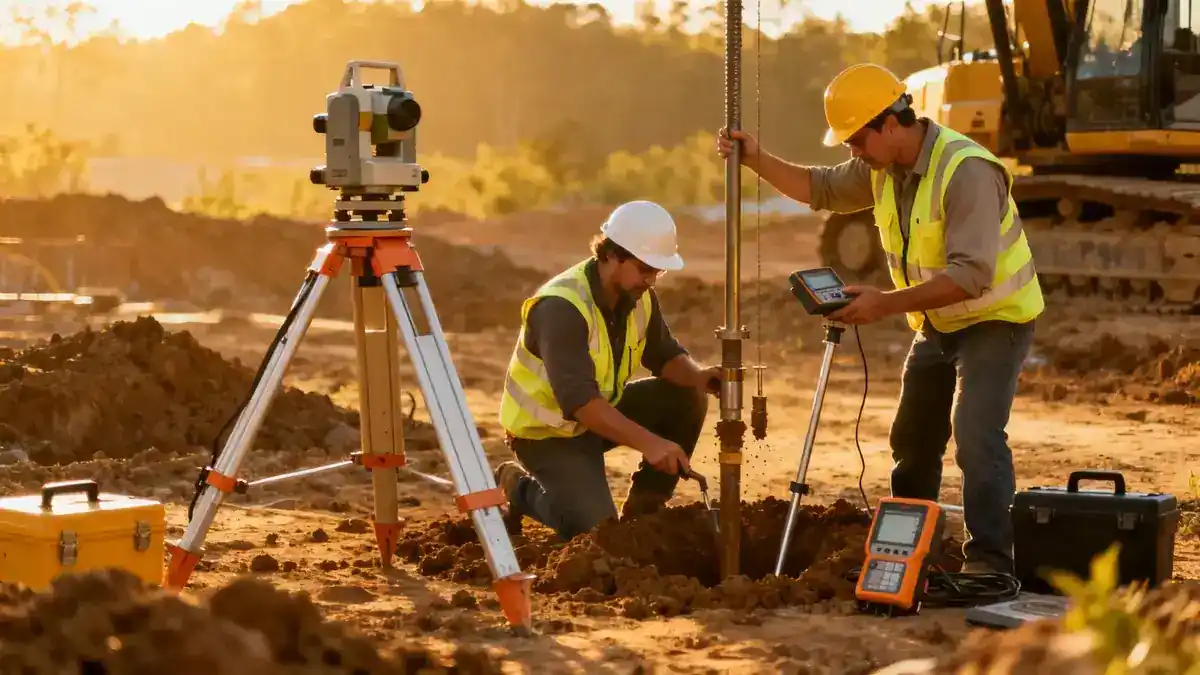
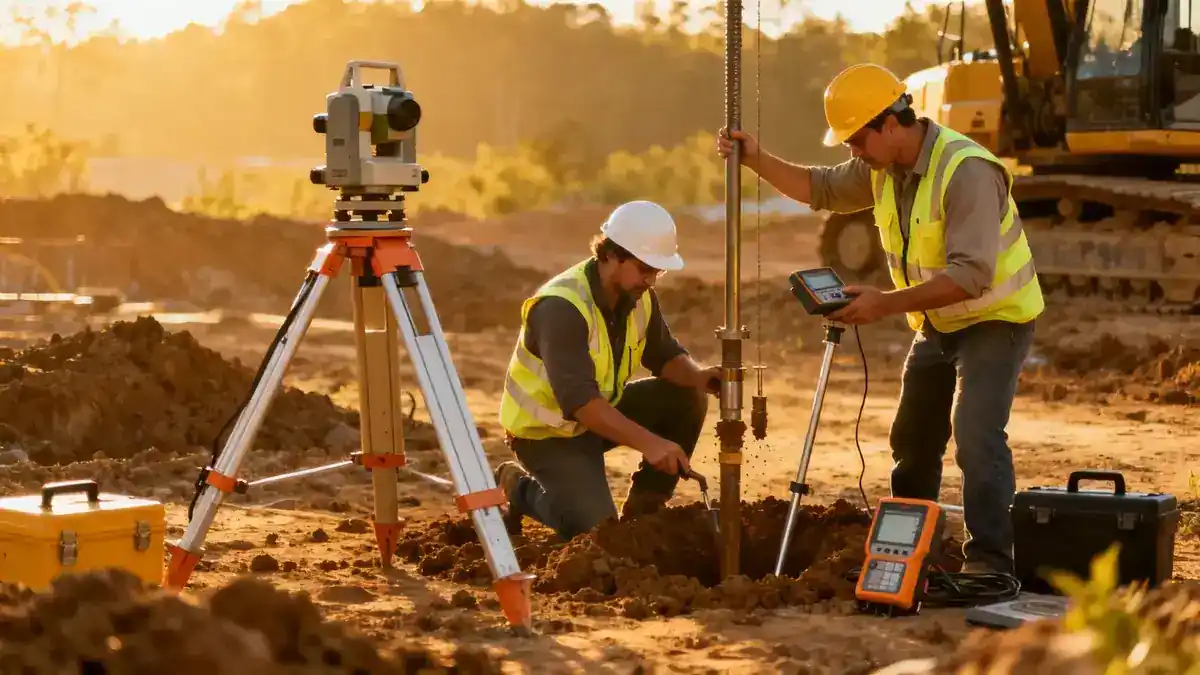
Our methodology for geotechnical engineering in Charlotte integrates field investigation, laboratory testing, and analytical modeling. We begin with a comprehensive site reconnaissance and review of existing geological maps, followed by a targeted spt boring program at depths of 10 to 30 meters to characterize soil and rock profiles. Samples are subjected to index property tests and strength evaluations in our soil mechanics laboratory. Data are interpreted using site-specific correlations and numerical models to develop design parameters for foundations, slope stability, and earth retention. This systematic approach ensures that every recommendation is grounded in site-specific evidence and regulatory requirements.
Reference Technical Parameters
| Parameter | Reference Value |
|---|---|
| Predominant soil type | Residual silty sands (SM) and clayey sands (SC) over saprolite |
| Maximum seismic acceleration (PGA) | 0.15g to 0.20g (IBC Site Class C/D) |
| Typical groundwater level | >10 m depth (perched zones possible) |
| Bedrock depth | 5 to 30 m (gneiss/schist) |
| Typical N60 range (SPT) | 10–30 blows/0.3 m in residual soils; >50 in saprolite |
Local Considerations — Charlotte
Charlotte’s Piedmont geology features residual soils derived from crystalline bedrock, with variable saprolite thickness and frequent rock pinnacles. Groundwater is generally deep but perched zones can occur after heavy rain. Seismic hazard is moderate (PGA 0.15–0.20g), requiring compliance with IBC seismic design categories. Uptown sites often encounter weathered rock within 10 m, while suburban areas may have deeper soil profiles. Typical foundation solutions include spread footings on competent strata or drilled shafts where rock is shallow. Our experience in slope stability assessments is critical for sites with cut slopes or fill embankments. For broader regional context, our geotechnical engineering en Atlanta team addresses similar Piedmont conditions.
Request a Quote
Our team reviews your project and issues an initial report at no cost.
Or write us directly at [email protected]
Services in Charlotte
Applicable Standards
- ASTM D1586 (Standard Penetration Test)
- IBC 2021 (International Building Code)
- ASCE 7-22 (Minimum Design Loads and Associated Criteria for Buildings and Other Structures)
- ASTM D2487 (Classification of Soils for Engineering Purposes)
- North Carolina Building Code (based on IBC)
Frequently Asked Questions
What are the typical soil conditions for geotechnical engineering in Charlotte?
Charlotte’s subsurface consists primarily of residual soils (silty sands and clayey sands) over saprolite and weathered gneiss/schist bedrock. Soil depths vary from 5 to 30 m, with groundwater generally deep but perched zones possible. Standard Penetration Test N60 values range from 10–30 in residual soils to over 50 in saprolite.
Is seismic design required for geotechnical engineering projects in Charlotte?
Yes. Charlotte lies in a moderate seismic zone with a peak ground acceleration (PGA) of 0.15g to 0.20g per IBC 2021. Site-specific seismic hazard analysis may be required for critical facilities. Our geotechnical reports incorporate ASCE 7-22 seismic design parameters and site class determination.
Are geotechnical studies mandatory for construction in Charlotte?
While not always legally mandatory for all projects, geotechnical investigations are strongly recommended by the North Carolina Building Code and local practice. Most lenders, insurers, and design professionals require a geotechnical report for foundation design, especially for commercial buildings, retaining walls, and slope stability assessments.