Methodology
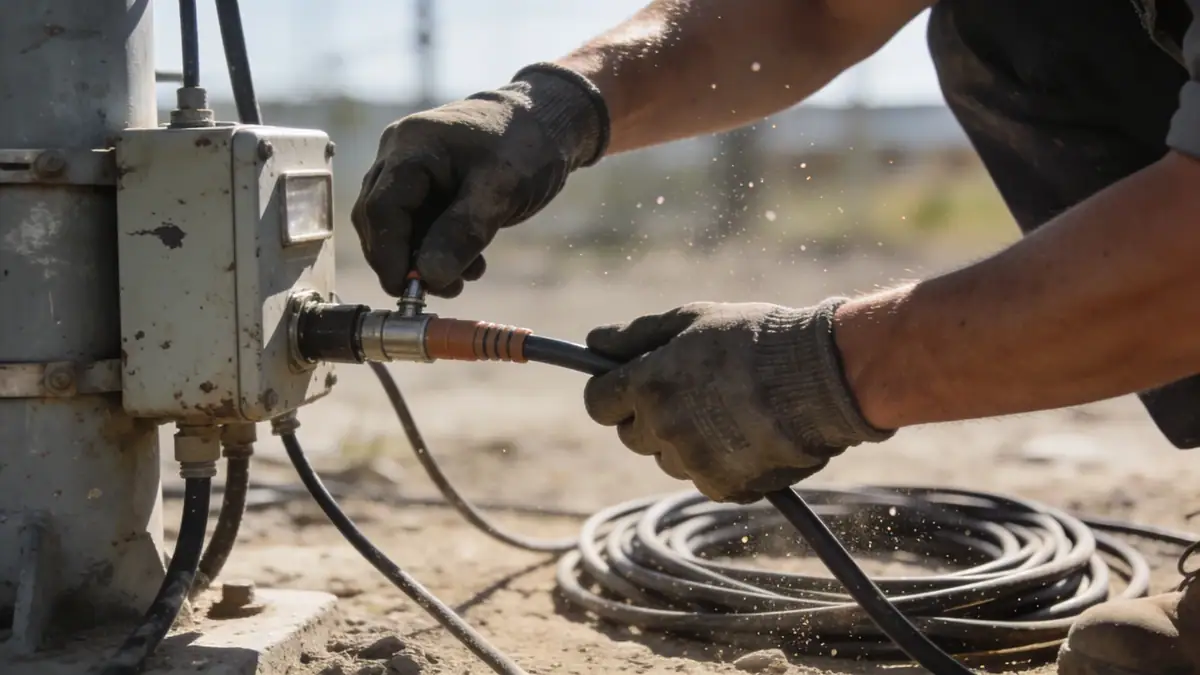
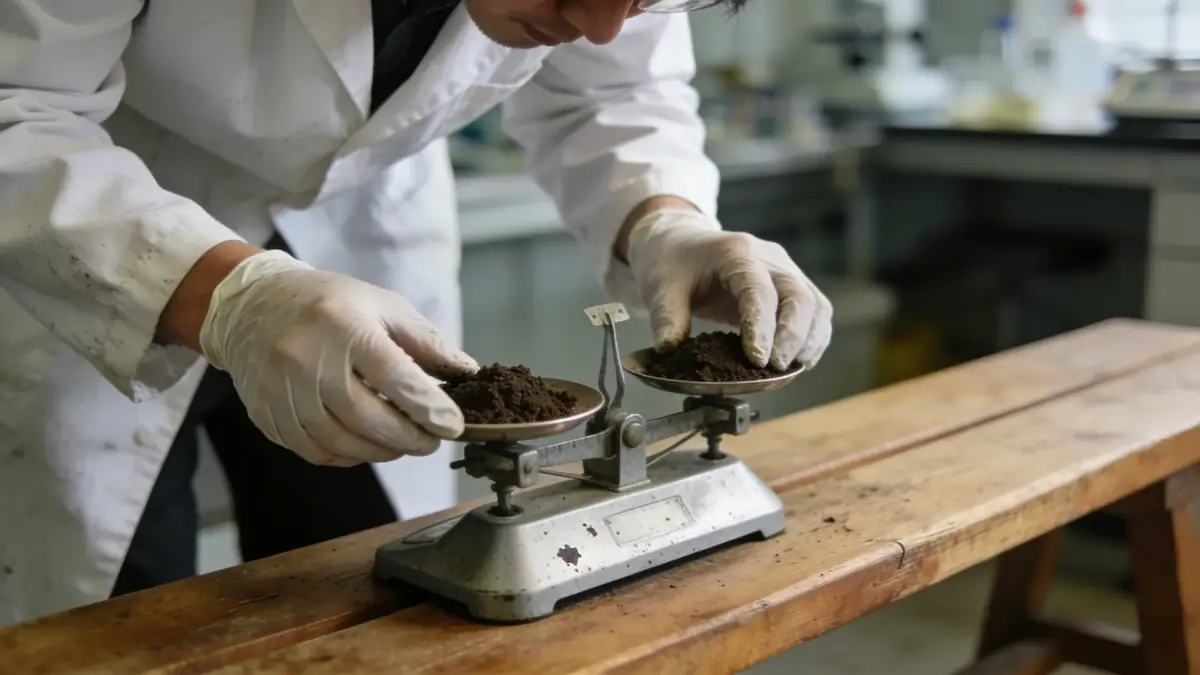
Our methodology for geotechnical engineering in Chandler begins with a thorough review of existing geological maps and previous site data. We then conduct field investigations, including spt boring to standard penetration depths of 15-30 meters, depending on project scale. Laboratory testing on recovered samples follows ASTM D1586 protocols, with additional cyclic testing for seismic parameters. This integrated approach allows us to characterize soil behavior accurately and provide reliable recommendations for foundation design and earthworks.
Reference Technical Parameters
| Parameter | Reference Value |
|---|---|
| Predominant soil type | Alluvial sands, silts, and clays |
| Maximum seismic acceleration (PGA) | 0.2g to 0.3g (ASCE 7 site class D) |
| Typical groundwater level | 3 to 10 meters below grade |
| Bedrock depth | >30 meters, deep alluvium |
| Typical N60 range | 10 to 30 blows per 0.3 m |
Local Considerations — Chandler
Chandler's geology consists of deep alluvial deposits from the Salt River system, with interbedded sands, silts, and clays. Groundwater levels vary seasonally, typically encountered at 3-10 meters. Seismic site classification per ASCE 7 is predominantly Site Class D, with peak ground accelerations up to 0.3g. Older residential areas may have undocumented fill, while newer developments often require engineered compaction. Our firm coordinates with the soil mechanics laboratory to assess liquefaction potential and collapsible soils. For complex projects, we reference our geotechnical engineering en Phoenix hub for regional context.
Request a Quote
Our team reviews your project and issues an initial report at no cost.
Or write us directly at [email protected]
Services in Chandler
Applicable Standards
- ASTM D1586
- ASCE 7-22
- IBC 2021
- AASHTO M 145
- UFC 3-220-01N
Frequently Asked Questions
What are the typical soil conditions in Chandler?
Chandler's soils are predominantly alluvial, with layers of sand, silt, and clay. These deposits often exhibit variable density and moisture content, requiring careful subsurface investigation to assess bearing capacity and settlement.
How does seismic risk affect construction in Chandler?
Chandler is in a moderate seismic zone with PGA values up to 0.3g. Per ASCE 7, site class D is common. Our geotechnical reports address liquefaction potential and dynamic soil properties to ensure structures meet code requirements.
Are geotechnical studies mandatory for new projects in Chandler?
While not always legally required for small residential projects, most cities in Maricopa County, including Chandler, strongly recommend or mandate geotechnical investigations for commercial and multi-story buildings to ensure safety and code compliance.