Methodology
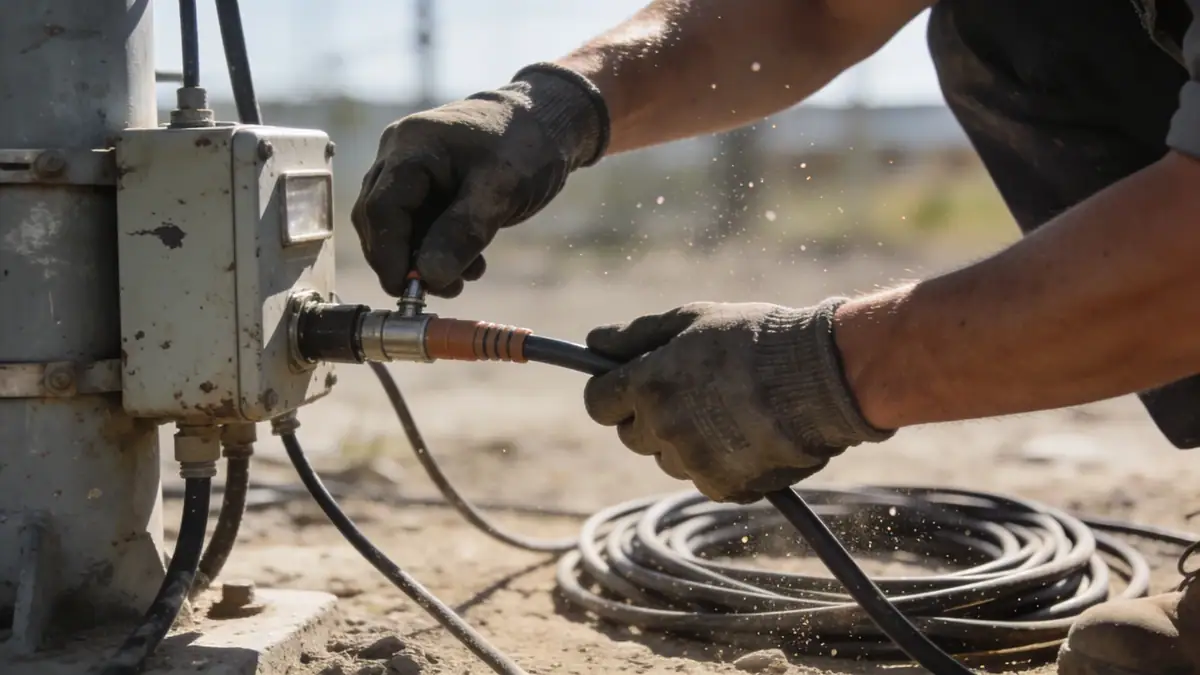
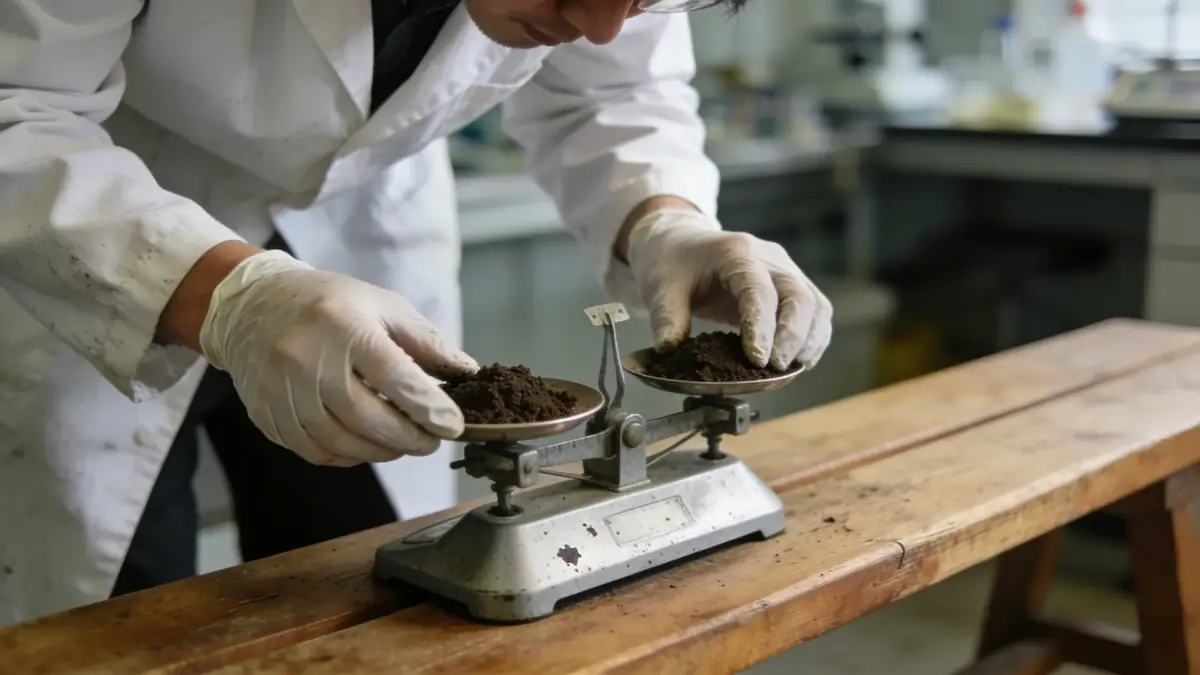
Our approach to geotechnical engineering in Cary North Carolina begins with a comprehensive field exploration program. We utilize spt boring to recover disturbed and undisturbed soil samples, following ASTM D1586 standards to obtain N-values for strength estimation. Borings are typically advanced to depths of 8 to 15 meters for residential structures and up to 30 meters for commercial projects. In our soil mechanics laboratory, we conduct index property tests including natural moisture content, Atterberg limits, and grain size distribution (ASTM D6913 and D7928). For bearing capacity and settlement analysis, we perform Proctor compaction (ASTM D698) and direct shear tests (ASTM D3080) on representative samples. Our methodology integrates these site-specific data with regional geological knowledge to produce reliable foundation designs.
Reference Technical Parameters
| Parameter | Reference Value |
|---|---|
| Predominant Soil Type | Residual silty sands and clays (saprolite) |
| Maximum Seismic Acceleration (PGA) | 0.2g (ASCE 7-16 Site Class C/D) |
| Typical Groundwater Level | 3 to 8 meters below ground surface |
| Bedrock Depth | 5 to 15 meters (granite/gneiss) |
| Typical N60 Range (SPT) | 8 to 30 blows per foot (residual soils) |
Local Considerations — Cary North Carolina
Cary's geology is dominated by Piedmont residual soils, often underlain by weathered bedrock at depths of 5 to 15 meters. These soils are prone to volume changes with moisture variation, requiring careful evaluation of shrink-swell potential. Seismic site classification per ASCE 7 typically falls into Class C or D, with a maximum considered earthquake acceleration of 0.2g. Groundwater levels fluctuate seasonally, generally encountered between 3 and 8 meters. Our team has extensive experience with deep foundations and ground improvement techniques for commercial developments in areas like Weston and the Research Triangle Park. For broader context, our geotechnical engineering en Philadelphia operations provide additional insight into similar Piedmont geology.
Request a Quote
Our team reviews your project and issues an initial report at no cost.
Or write us directly at [email protected]
Services in Cary North Carolina
Applicable Standards
- ASTM D1586 (Standard Penetration Test)
- ASTM D6913 (Particle Size Distribution)
- ASTM D698 (Standard Proctor Compaction)
- ASCE 7-16 (Minimum Design Loads and Associated Criteria for Buildings and Other Structures)
- International Building Code (IBC) 2018
Frequently Asked Questions
What are the typical soil conditions in Cary, North Carolina?
Soils in Cary are predominantly residual silty sands and clays derived from the weathering of granite and gneiss. These soils can exhibit significant variability and are often prone to shrink-swell behavior. Depth to bedrock typically ranges from 5 to 15 meters, and groundwater is usually encountered at depths of 3 to 8 meters.
Is a geotechnical study required for building permits in Cary?
Yes, the Town of Cary and Wake County typically require a geotechnical report for new structures, especially those with deep foundations or in areas with known soil issues. The report must comply with the North Carolina Building Code and ASCE 7 standards, addressing bearing capacity, settlement, and seismic site classification.
How does seismic activity affect construction in Cary?
Cary is in a moderate seismic zone with a PGA of 0.2g per ASCE 7. Although large earthquakes are rare, the region can experience ground motions from distant events. Site-specific response analysis may be required for critical structures to evaluate liquefaction potential and design appropriate foundations.