Methodology
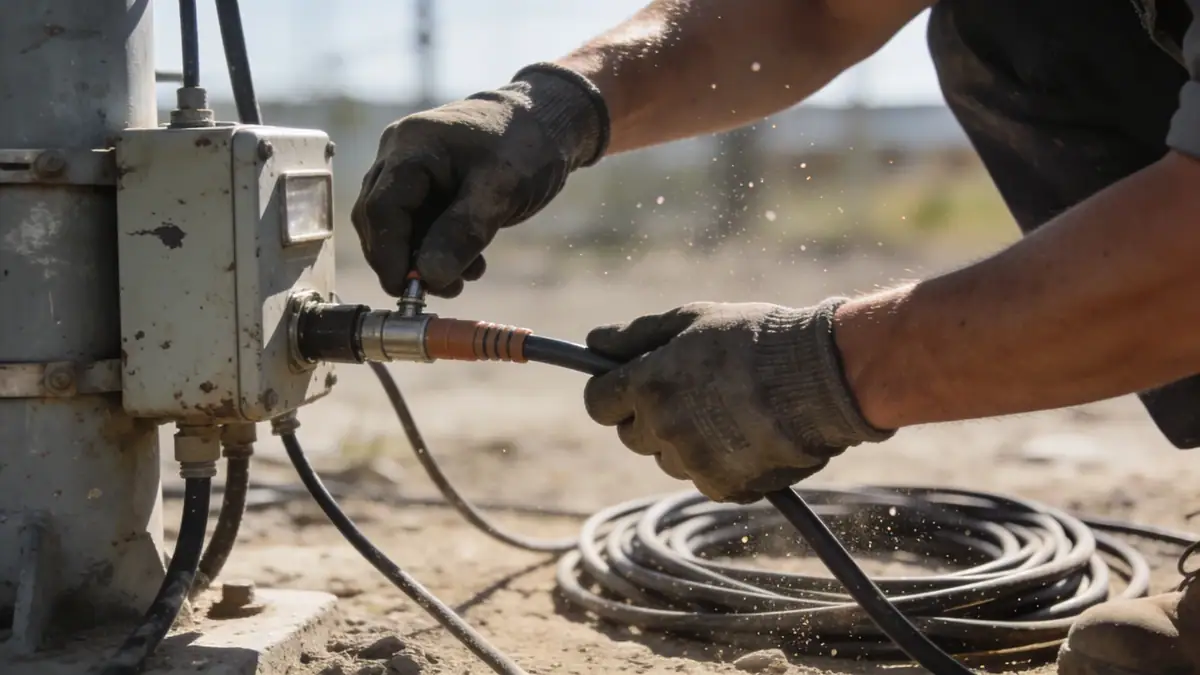
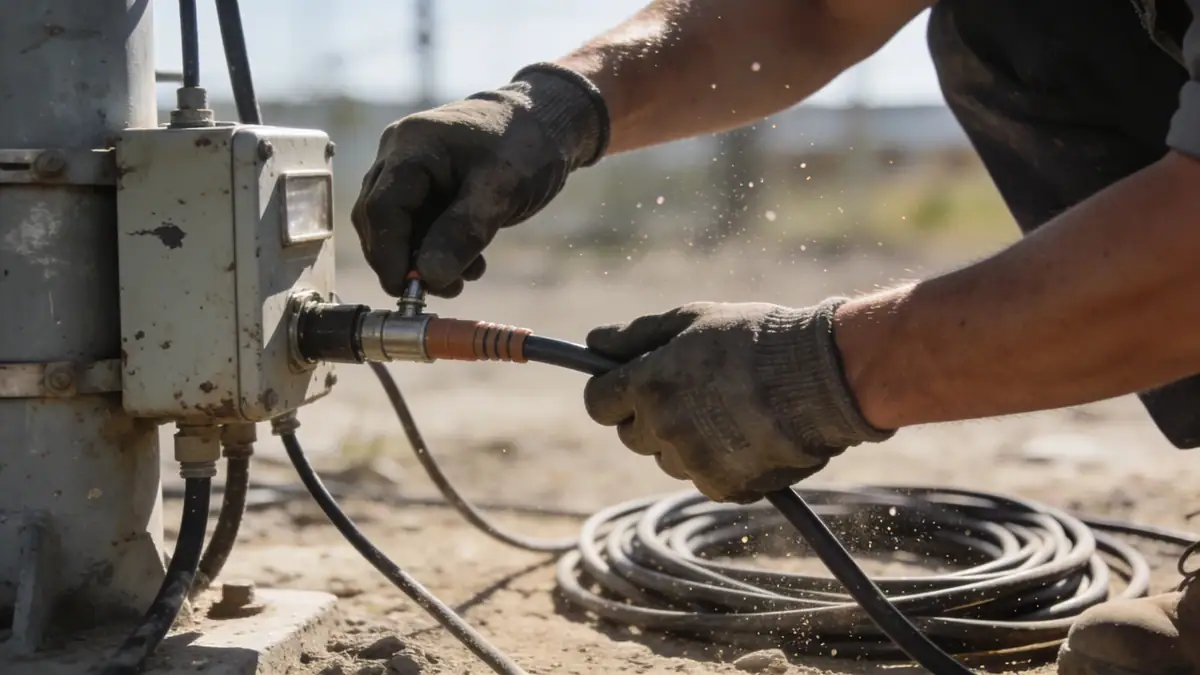
Our approach to geotechnical engineering in Buffalo begins with a thorough review of existing geological maps and published soil data for Erie County. We then conduct a phased field investigation program, integrating spt boring with standard penetration tests to characterize subsurface stratigraphy and obtain undisturbed samples for laboratory analysis. In cohesive soils, we employ thin-walled tube sampling to preserve fabric and strength. Our methodology emphasizes continuous monitoring of groundwater levels through piezometers and observation wells, which is critical given the shallow water table in many Buffalo neighborhoods. All fieldwork adheres to ASTM D1586 and local safety protocols, ensuring data reliability for subsequent analyses.
Reference Technical Parameters
| Parameter | Reference Value |
|---|---|
| Predominant soil type | Glacial till and lacustrine clay/silt |
| Maximum seismic acceleration (PGA) | 0.15g (ASCE 7-16, Site Class D) |
| Typical groundwater level | 3 to 8 feet below ground surface |
| Bedrock depth | 20 to 100 feet (Onondaga Limestone) |
| Typical N60 range | 4 to 30 blows per foot |
Local Considerations — Buffalo
Buffalo's geology is dominated by glacial till and lacustrine deposits from proglacial Lake Warren, resulting in heterogeneous soil profiles with interbedded sands, silts, and clays. The shallow groundwater table, often within 5 feet of the surface, necessitates dewatering considerations for excavations. Seismic hazard is moderate (ASCE 7 Site Class D), with a PGA of 0.15g. Neighborhoods near the Lake Erie shoreline, such as the First Ward, exhibit soft lacustrine clays that require careful settlement analysis. Our firm's experience in Buffalo includes projects from the Buffalo Niagara Medical Campus to waterfront developments, where we apply tailored solutions. For additional context, our team in geotechnical engineering en Philadelphia addresses similar glaciolacustrine conditions, reinforcing our regional expertise.
Request a Quote
Our team reviews your project and issues an initial report at no cost.
Or write us directly at [email protected]
Services in Buffalo
Applicable Standards
- ASTM D1586
- ASCE 7-16
- New York State Building Code (2020)
- ASTM D2487 (USCS)
- ASTM D2435 (Consolidation)
Frequently Asked Questions
What are the typical soil conditions encountered in Buffalo?
Buffalo's soils are predominantly glacial till and lacustrine deposits, including stiff clays, silts, sands, and gravels. The glacial till is often dense but can contain cobbles and boulders, while lakebed clays are soft to medium stiff. The shallow groundwater table adds complexity to foundation design.
How does seismic design apply to geotechnical engineering in Buffalo?
Buffalo falls under ASCE 7 Seismic Design Category B, with a mapped PGA of 0.15g. Site class determination is critical due to soft soil amplification. Our analyses incorporate site-specific response spectra to ensure compliance with the New York State Building Code and mitigate liquefaction risks in saturated sands.
Are geotechnical investigations mandatory for construction in Buffalo?
While not always legally required for all projects, geotechnical investigations are strongly recommended by the New York State Building Code for structures with significant loads or complex soil conditions. Lenders and insurers often mandate them. Our firm advises early subsurface exploration to avoid costly overruns.