Methodology
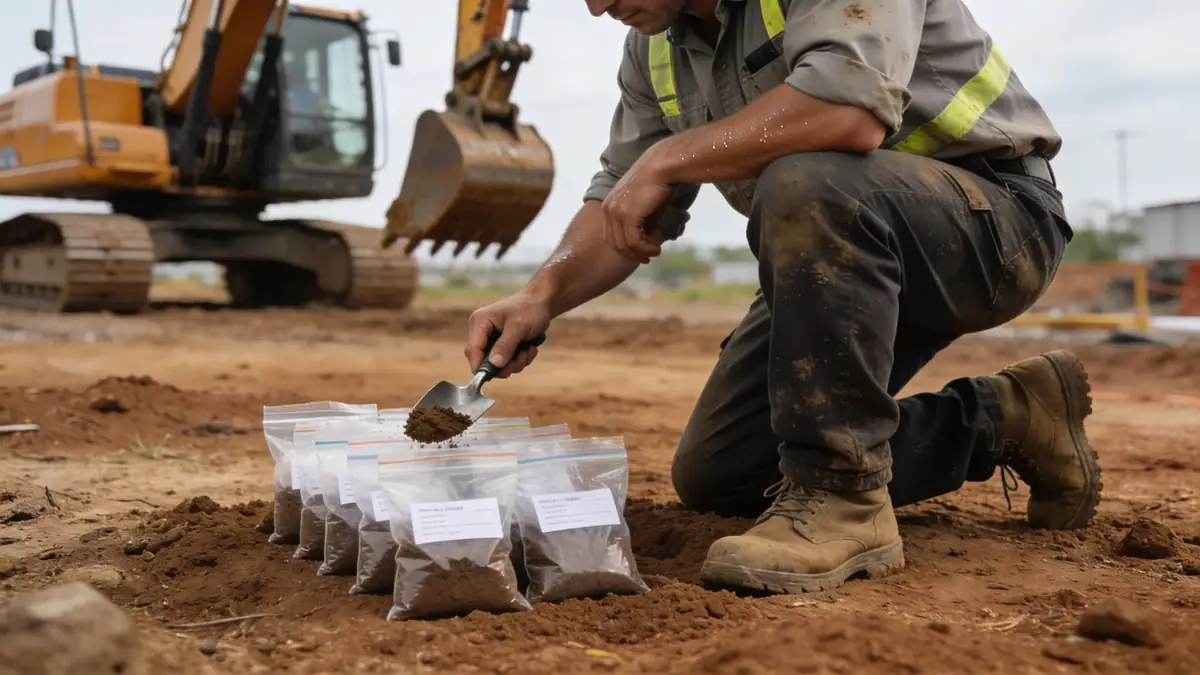
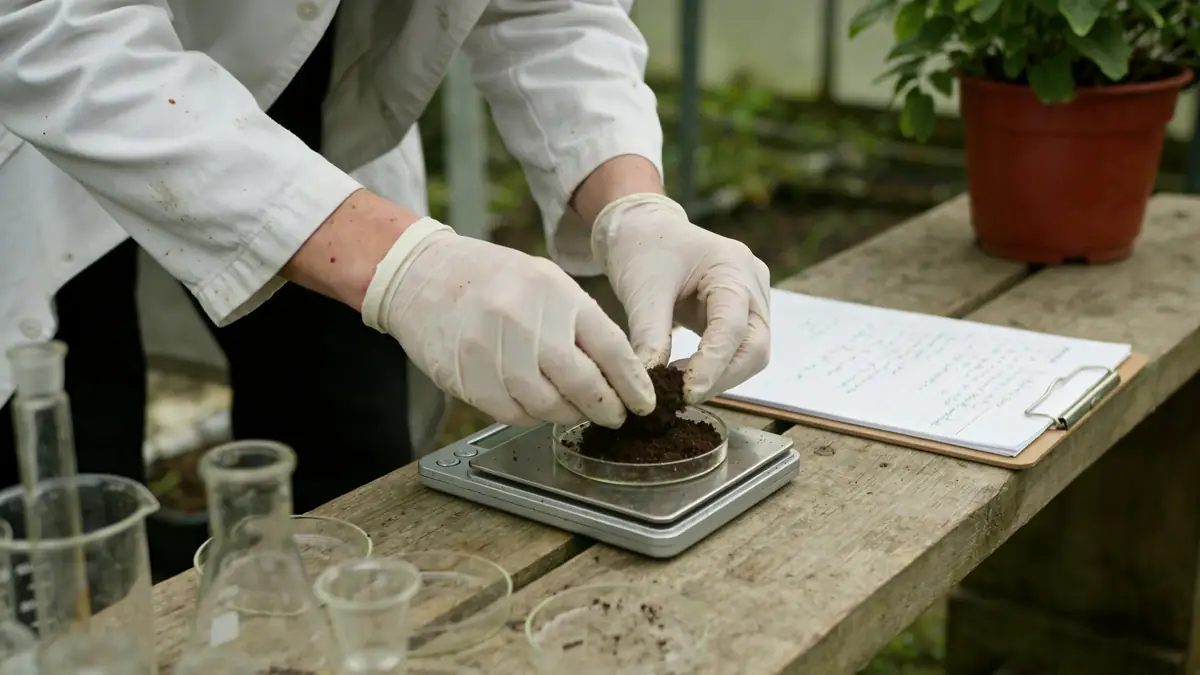
Our methodology for geotechnical engineering in Brownsville Texas begins with a thorough review of existing geological data and site history. We then perform field investigations, including spt boring to obtain soil samples and measure resistance. Laboratory tests on recovered samples determine index properties, strength, and consolidation characteristics. All procedures follow ASTM standards, such as ASTM D1586 for SPT. The data is analyzed to develop soil profiles and parameters for foundation design, slope stability, and earth retention, always considering local seismic and groundwater conditions.
Reference Technical Parameters
| Parameter | Reference Value |
|---|---|
| Predominant soil type | Expansive clay (CH) and silty sand (SM) |
| Maximum seismic acceleration (PGA) | 0.10g to 0.15g (ASCE 7-16, Site Class D) |
| Typical groundwater level | 1.5 m to 3.0 m below ground surface |
| Bedrock depth | >30 m (deep alluvial deposits) |
| Typical N60 range (SPT) | 4 to 15 blows/ft in clay; 10 to 30 blows/ft in sand |
Local Considerations — Brownsville Texas
Brownsville Texas sits on the Gulf Coastal Plain, characterized by deep alluvial deposits of clay, silt, and sand. The high plasticity clays (CH) are prone to significant volume changes with moisture variation, requiring special foundation design. The shallow water table (1.5-3 m) can complicate excavations and necessitate dewatering. Seismic hazard is moderate (PGA 0.10-0.15g), but soil amplification due to soft deposits must be considered per ASCE 7. For complex projects, we leverage the expertise of our soil mechanics laboratory to evaluate expansive soil behavior and consolidation. Our local experience ensures that designs address these unique challenges effectively.
Request a Quote
Our team reviews your project and issues an initial report at no cost.
Or write us directly at [email protected]
Services in Brownsville Texas
Applicable Standards
- ASTM D1586 (Standard Penetration Test)
- ASCE 7-16 (Minimum Design Loads for Buildings and Other Structures)
- IBC 2021 (International Building Code)
- ASTM D2487 (Classification of Soils for Engineering Purposes)
- Texas Administrative Code (TAC) Chapter 16 (Construction and Maintenance)
Frequently Asked Questions
What are the typical soil conditions in Brownsville Texas for geotechnical engineering?
Soils in Brownsville Texas are predominantly expansive clays (CH) and silty sands (SM) from alluvial deposits. These clays exhibit high plasticity and shrink-swell potential, requiring careful foundation design. Groundwater is shallow, typically 1.5 to 3 meters deep, and bedrock is very deep, often exceeding 30 meters.
What seismic design criteria apply to geotechnical engineering in Brownsville Texas?
Brownsville Texas falls under Seismic Design Category B per ASCE 7-16, with a maximum considered earthquake (MCE) spectral response acceleration of about 0.10-0.15g. Site-specific soil amplification must be evaluated due to soft alluvial deposits. The IBC 2021 governs seismic design.
Are geotechnical studies mandatory for construction in Brownsville Texas?
While not always legally required for all projects, most local building departments recommend or require geotechnical investigations for new construction, especially for commercial buildings and subdivisions. The IBC and local amendments often mandate site characterization to ensure public safety and structural performance.