Methodology
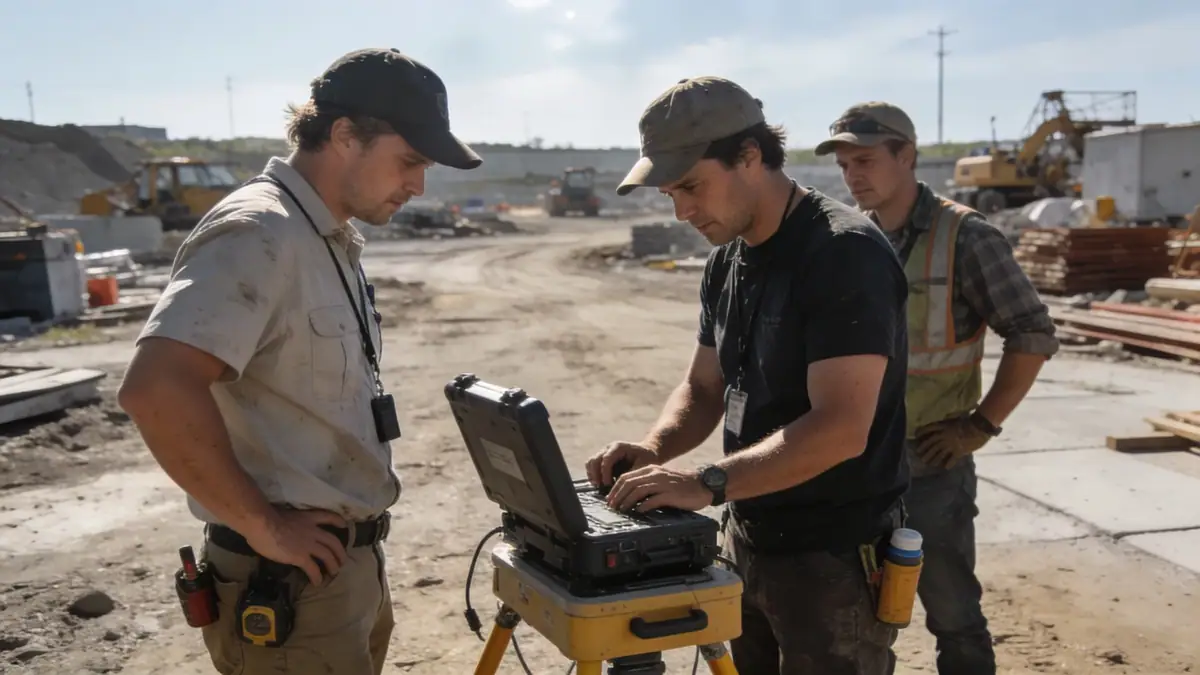
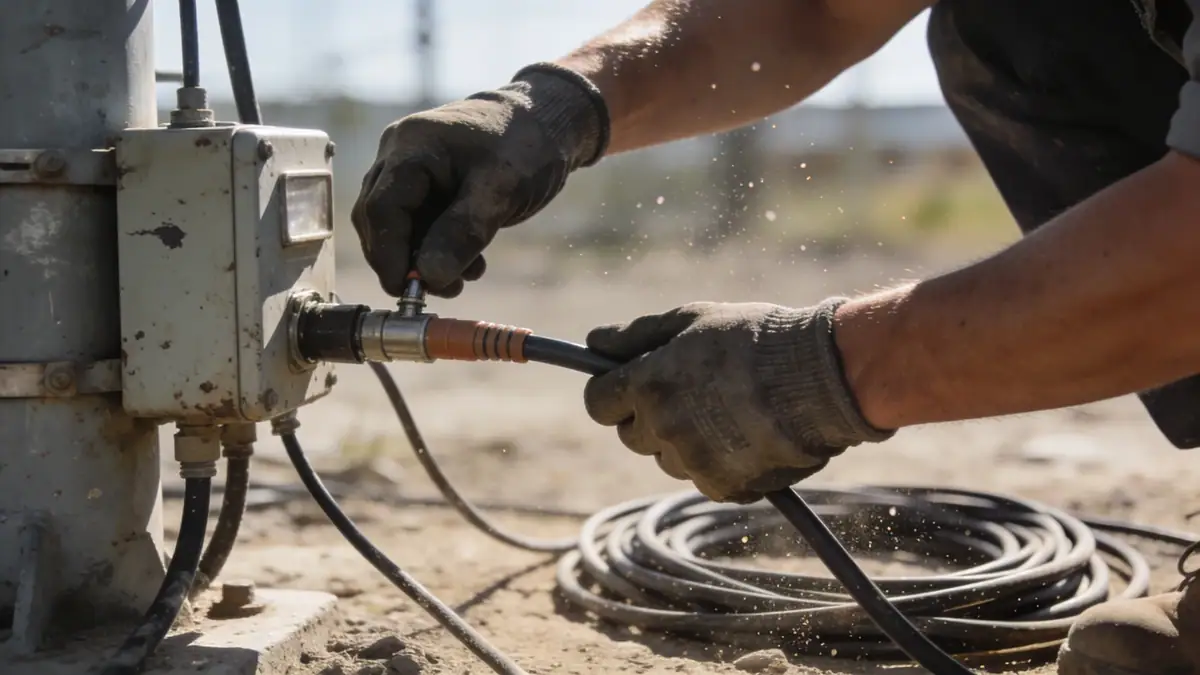
Our methodology for geotechnical engineering in Boston begins with a thorough review of existing geologic maps and historical data. We then execute a site-specific exploration program, typically including spt boring at 1.5 m intervals per ASTM D1586, to characterize subsurface stratigraphy. Soil samples are collected for laboratory testing to determine strength, consolidation, and permeability parameters. Groundwater monitoring wells are installed to assess seasonal fluctuations. All data is synthesized into a geotechnical report that addresses foundation bearing capacity, settlement, lateral earth pressures, and seismic site classification per ASCE 7-16. Our systematic process ensures compliance with Boston's building codes and project-specific requirements.
Reference Technical Parameters
| Parameter | Reference Value |
|---|---|
| Predominant soil type | Glacial till over bedrock; fill in coastal areas |
| Maximum seismic acceleration (PGA) | 0.2g (ASCE 7-16, Site Class C/D) |
| Typical groundwater level | 1.5–4.5 m below ground surface |
| Bedrock depth | 10–30 m (Cambridge Argillite) |
| Typical N60 range | 10–40 blows/0.3 m (fill); 50–100 (till) |
Local Considerations — Boston
Boston's subsurface is dominated by glacial till overlying Cambridge Argillite bedrock, with extensive fill in the Back Bay and South End. Groundwater levels are shallow, typically 1.5–4.5 m deep, requiring dewatering considerations for excavations. Seismic hazard is moderate (PGA 0.2g), but liquefaction potential exists in loose fills. The city's historic infrastructure demands careful foundation design to avoid impacts on adjacent structures. For a broader regional perspective, our team also offers geotechnical engineering en New York, where similar glacial geology and urban constraints prevail. At our soil mechanics laboratory, we perform specialized testing to support local projects.
Request a Quote
Our team reviews your project and issues an initial report at no cost.
Or write us directly at [email protected]
Services in Boston
Applicable Standards
- ASTM D1586 (Standard Test Method for SPT)
- ASCE 7-16 (Minimum Design Loads and Associated Criteria for Buildings)
- Boston Building Code (Massachusetts State Building Code, 9th Edition)
- ASTM D2487 (Classification of Soils for Engineering Purposes)
Frequently Asked Questions
What are the typical soil conditions encountered in Boston?
Boston's soils consist primarily of glacial till, with layers of sand, silt, and clay. Fill materials are common in reclaimed areas like Back Bay. Bedrock (Cambridge Argillite) lies at depths of 10–30 m, and groundwater is generally shallow, requiring careful management.
What seismic design standards apply in Boston?
Boston follows ASCE 7-16 for seismic design, with a maximum considered earthquake spectral response acceleration (S_s) of approximately 0.2g. Site class is typically C or D, and liquefaction assessment is required for sites with loose, saturated sands.
Are geotechnical investigations mandatory for all construction projects in Boston?
Yes, the Boston Building Code requires geotechnical investigations for most new construction and significant renovations. The scope depends on the structure's risk category, with high-rises and critical facilities needing comprehensive subsurface exploration and laboratory testing.