Methodology
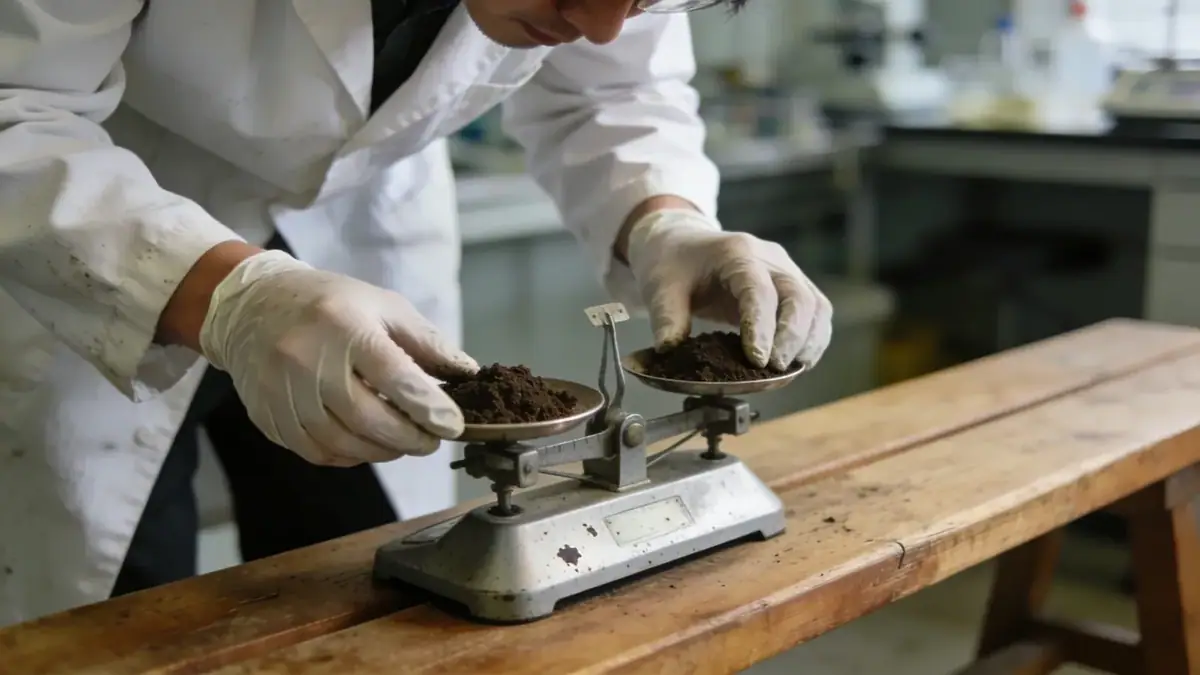
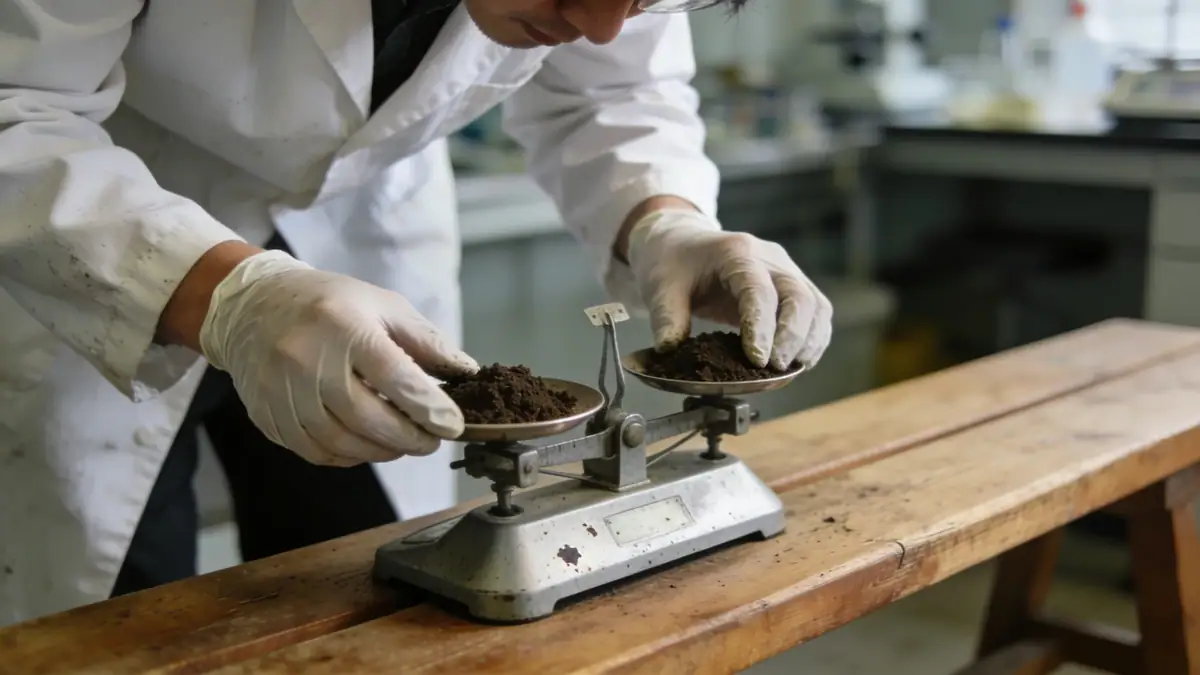
Our methodology for geotechnical engineering in Birmingham Alabama follows ASTM standards, including ASTM D1586 for standard penetration testing. We begin with a thorough review of existing geologic maps and site history, then conduct field investigations using a combination of spt boring, test pits, and geophysical surveys. Soil samples are analyzed in our laboratory for classification, strength, and consolidation parameters. This data informs site-specific recommendations for foundations, earthworks, and pavements, ensuring compliance with local building codes and safety criteria.
Reference Technical Parameters
| Parameter | Reference Value |
|---|---|
| Predominant soil type | Residual silty sands and clays over limestone/shale bedrock |
| Maximum seismic acceleration (PGA) | 0.10–0.15 g (ASCE 7-16) |
| Typical groundwater level | 3–10 m below surface, variable with season |
| Bedrock depth | 5–30 m (shallow in valley margins, deeper in fill areas) |
| Typical N60 range | 10–40 blows/0.3 m (SPT, ASTM D1586) |
Local Considerations — Birmingham Alabama
Birmingham's geology is dominated by the Valley and Ridge province, with folded sedimentary rocks—limestone, shale, and sandstone—covered by residual soils. Karst features (sinkholes) pose risks in limestone areas, requiring careful site assessment. The Birmingham fault zone contributes to moderate seismic activity, with design accelerations per ASCE 7-16. Local regulations mandate geotechnical studies for structures over 3 stories or in high-risk areas. Our team coordinates with city officials and leverages our soil mechanics laboratory to address these challenges, supporting safe development across the metropolitan area.
Request a Quote
Our team reviews your project and issues an initial report at no cost.
Or write us directly at [email protected]
Services in Birmingham Alabama
Applicable Standards
- ASTM D1586 (Standard Penetration Test)
- ASCE 7-16 (Minimum Design Loads for Buildings and Other Structures)
- IBC 2021 (International Building Code)
- Alabama Building Commission – State Building Code
Frequently Asked Questions
What types of soil are commonly found in Birmingham, Alabama?
Birmingham's soils are primarily residual, derived from the weathering of limestone, shale, and sandstone. They range from silty sands to high-plasticity clays. In valley fills and floodplains, alluvial deposits of sands and gravels are present, often with shallow groundwater.
Is seismic design required for structures in Birmingham?
Yes, according to ASCE 7-16, Birmingham is in Seismic Design Category B to C, with peak ground accelerations of 0.10–0.15 g. Geotechnical reports must provide site-specific soil amplification factors and liquefaction potential for critical structures.
Are geotechnical investigations mandatory for new construction in Birmingham?
The Alabama Building Code requires geotechnical investigations for most commercial and multi-family residential projects, especially those exceeding three stories or located in areas with known karst or slope stability issues. Local jurisdictions may have additional requirements.