Methodology
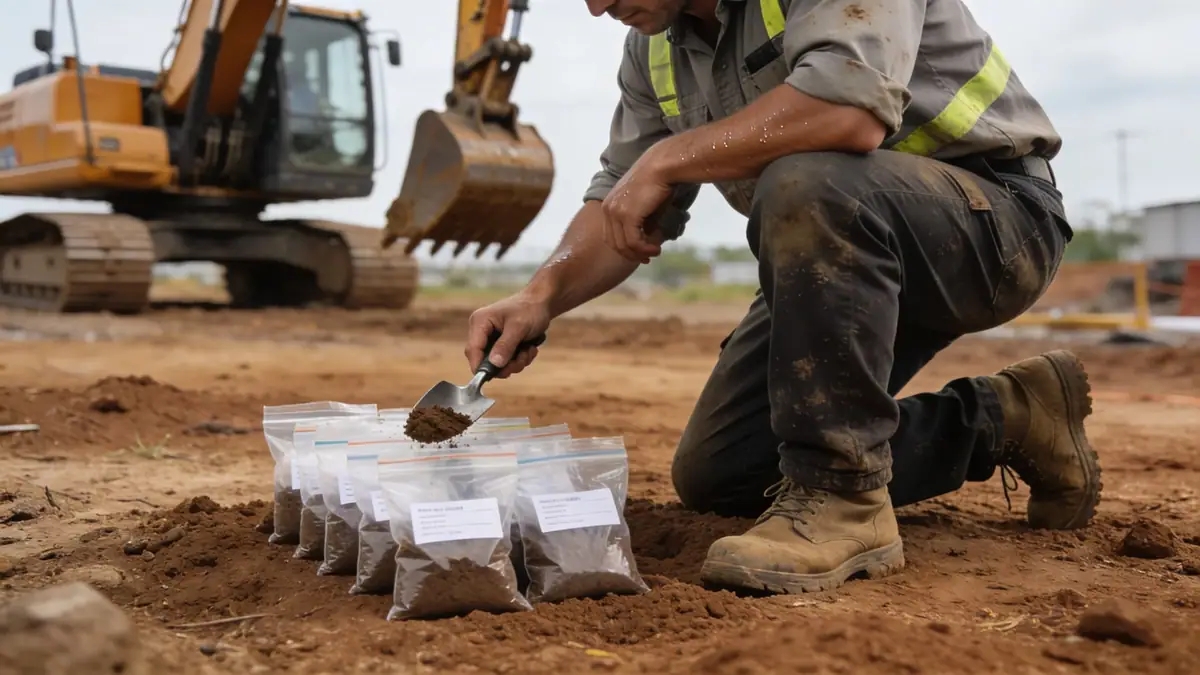
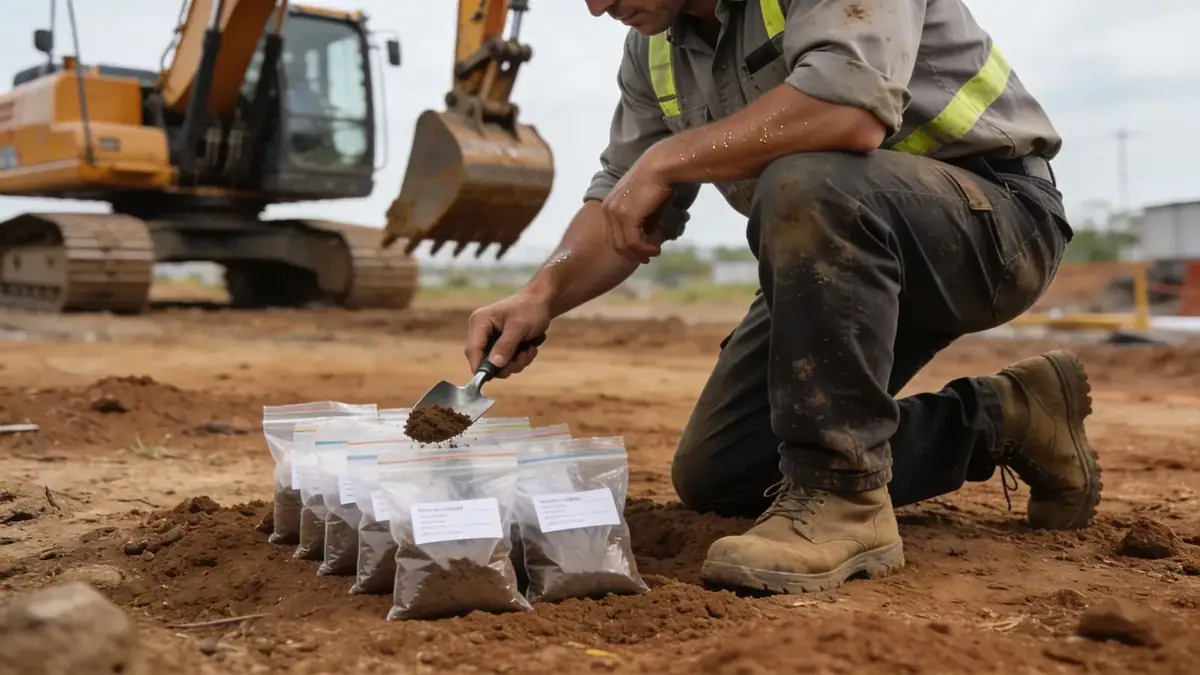
Our methodology for geotechnical engineering in Bakersfield begins with a thorough review of existing geologic maps and seismic hazard data. We then conduct field investigations including standard penetration tests per ASTM D1586 and soil sampling at depths up to 30 m. Laboratory testing follows ASTM standards to classify soils and measure strength parameters. All data is integrated into a site-specific geotechnical model, which informs foundation and earthwork recommendations. This systematic approach ensures robust and defensible designs for projects across Bakersfield.
Reference Technical Parameters
| Parameter | Reference Value |
|---|---|
| Predominant soil type | Silty sand (SM) and lean clay (CL) |
| Maximum seismic acceleration (PGA, 0.2s period) | 0.4g to 0.6g per ASCE 7-16 |
| Typical groundwater level | 5 to 15 m below grade, varies seasonally |
| Bedrock depth | > 100 m (deep alluvium basin) |
| Typical N60 range (SPT) | 10 to 30 blows/ft in granular soils |
Local Considerations — Bakersfield
Bakersfield's alluvial soils exhibit high variability across short distances, requiring dense sampling. The Kern River fan deposits often contain gravel layers that complicate drilling. Seismic site class is typically D or E per ASCE 7, with peak ground accelerations up to 0.6g. For projects near the White Wolf fault, fault rupture hazard assessments may be needed. Our team integrates these local factors into every geotechnical study, whether for residential developments or industrial facilities. For reference, our geotechnical engineering en Los Angeles team handles similar alluvial conditions. Additionally, our spt boring services are frequently deployed to characterize Bakersfield's subsurface.
Request a Quote
Our team reviews your project and issues an initial report at no cost.
Or write us directly at [email protected]
Services in Bakersfield
Applicable Standards
- ASTM D1586 (Standard Penetration Test)
- ASCE 7-16 (Minimum Design Loads for Buildings and Other Structures)
- California Building Code (CBC) 2022
- ASTM D2487 (Unified Soil Classification System)
Frequently Asked Questions
What are the typical soil conditions in Bakersfield?
Bakersfield is underlain by deep alluvial deposits from the Kern River. Soils are predominantly silty sands and lean clays, with occasional gravel layers. Groundwater is typically 5 to 15 m deep but can rise during wet seasons, affecting excavation and foundation design.
Is a geotechnical study required for new construction in Bakersfield?
Yes, the California Building Code mandates a geotechnical investigation for most new structures, especially in Seismic Design Categories D and E. Local jurisdictions in Kern County often require site-specific seismic hazard analyses, including liquefaction and fault rupture evaluations.
How does seismic activity in Bakersfield affect foundation design?
Bakersfield lies near active faults like the White Wolf and San Andreas. Peak ground accelerations can exceed 0.6g. Soils may be prone to liquefaction or cyclic softening. Foundations must be designed for lateral spreading and settlement, often requiring deep piles or ground improvement.