Methodology
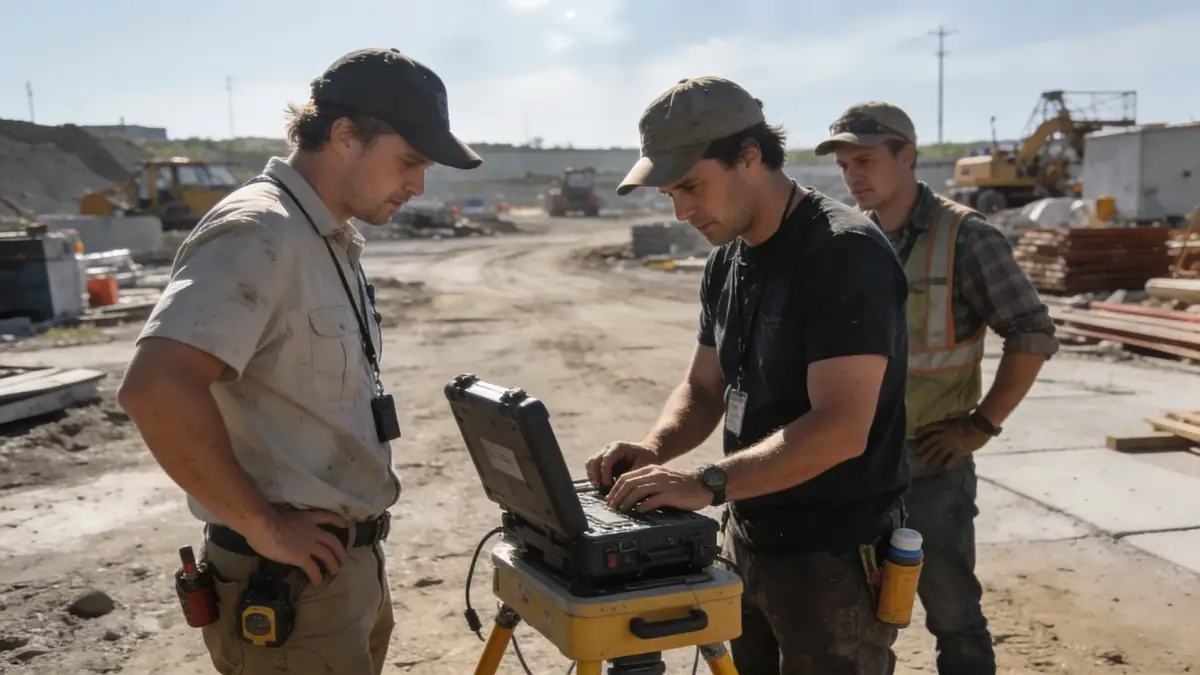
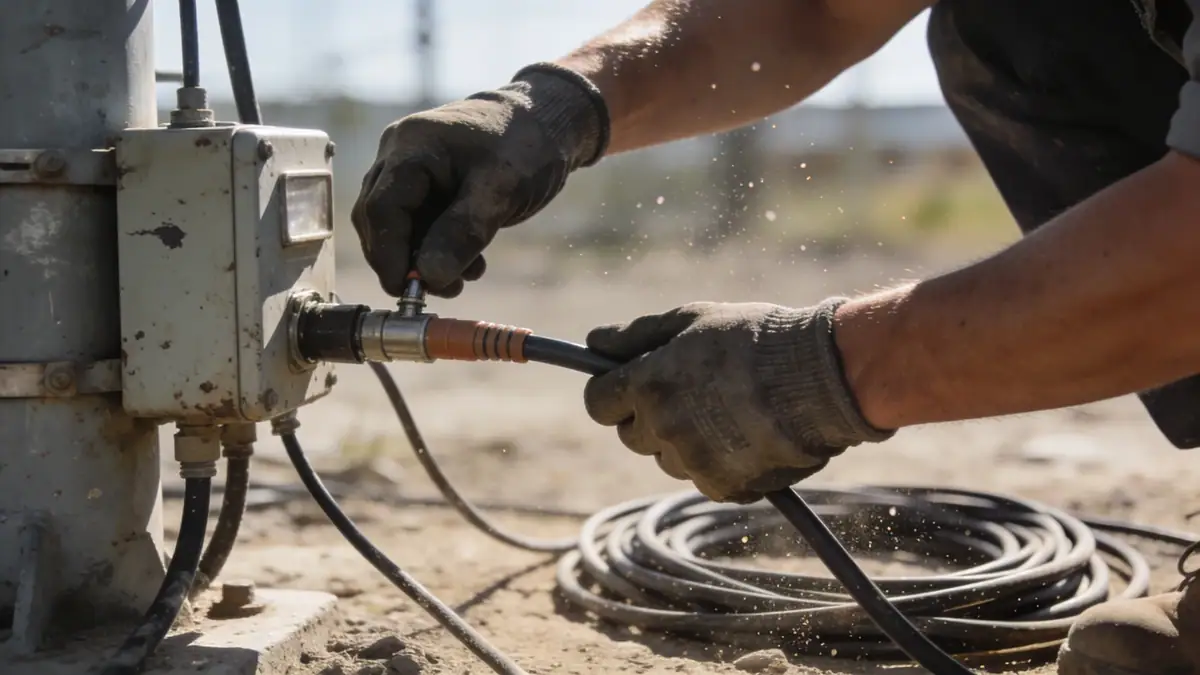
Our approach to geotechnical engineering in Austin begins with a thorough review of existing geological maps and historical data. We then conduct a tailored field investigation program, typically including spt boring at depths of 10 to 30 meters, supplemented by soil sampling and in-situ testing. Laboratory testing follows ASTM standards—such as ASTM D1586 for SPT and ASTM D4318 for Atterberg limits—to classify soils and assess engineering properties. All data is integrated into a geotechnical model that informs foundation recommendations, slope stability analyses, and seismic design parameters in accordance with local building codes.
Reference Technical Parameters
| Parameter | Reference Value |
|---|---|
| Predominant soil type | Expansive clay (Taylor Group) over limestone bedrock |
| Maximum seismic acceleration (PGA) | 0.10g to 0.15g (ASCE 7-16 Site Class C/D) |
| Typical groundwater level | 5 to 15 m below grade, variable with season |
| Bedrock depth | 3 to 10 m in central Austin; deeper in alluvial valleys |
| Typical N60 range | 4–12 blows/ft in clay; 20–50+ in weathered limestone |
Local Considerations — Austin
Austin's geology is dominated by the Balcones Fault Zone, creating sharp transitions between expansive clay soils (Taylor and Navarro groups) and competent limestone (Edwards and Glen Rose formations). This variability requires careful site characterization: in areas like Westlake Hills, shallow bedrock supports spread footings, while in the Colorado River floodplain, deep foundations are often necessary due to soft alluvial deposits. Seasonal moisture changes can cause significant ground movement in clay-rich soils, making moisture management critical. Additionally, seismic design per ASCE 7-16 is required, with peak ground accelerations up to 0.15g. Our team integrates these local factors into every project, drawing on experience from our geotechnical engineering en Houston office to address regional soil behavior patterns.
Request a Quote
Our team reviews your project and issues an initial report at no cost.
Or write us directly at [email protected]
Services in Austin
Applicable Standards
- ASCE 7-16 Minimum Design Loads for Buildings and Other Structures
- ASTM D1586 Standard Test Method for Standard Penetration Test (SPT)
- ASTM D4318 Standard Test Methods for Liquid Limit, Plastic Limit, and Plasticity Index of Soils
- International Building Code (IBC) 2021
- City of Austin Land Development Code (LDC) – Subsurface Investigation Requirements
Frequently Asked Questions
What soil types are commonly found in Austin?
Austin's soils range from expansive clays (Taylor Group) to shallow limestone bedrock. Clay soils in the central and eastern areas have high shrink-swell potential, while western areas often feature weathered limestone with better bearing capacity. Proper identification through SPT and laboratory testing is essential for foundation design.
Is seismic design required for geotechnical engineering in Austin?
Yes, Austin is in Seismic Design Category C per ASCE 7-16, with peak ground accelerations of 0.10g to 0.15g. While major earthquakes are rare, site-specific seismic hazard analyses are required for critical structures and certain commercial projects to ensure compliance with the International Building Code.
Are geotechnical studies mandatory for construction in Austin?
The City of Austin requires subsurface investigations for most new building permits, especially for structures with deep foundations or expansive soils. A geotechnical report must address soil bearing capacity, settlement, and lateral earth pressures. Early engagement with a qualified firm streamlines the permitting process.